
First aid and CPR for divers
What Every Scuba Diver Should Know
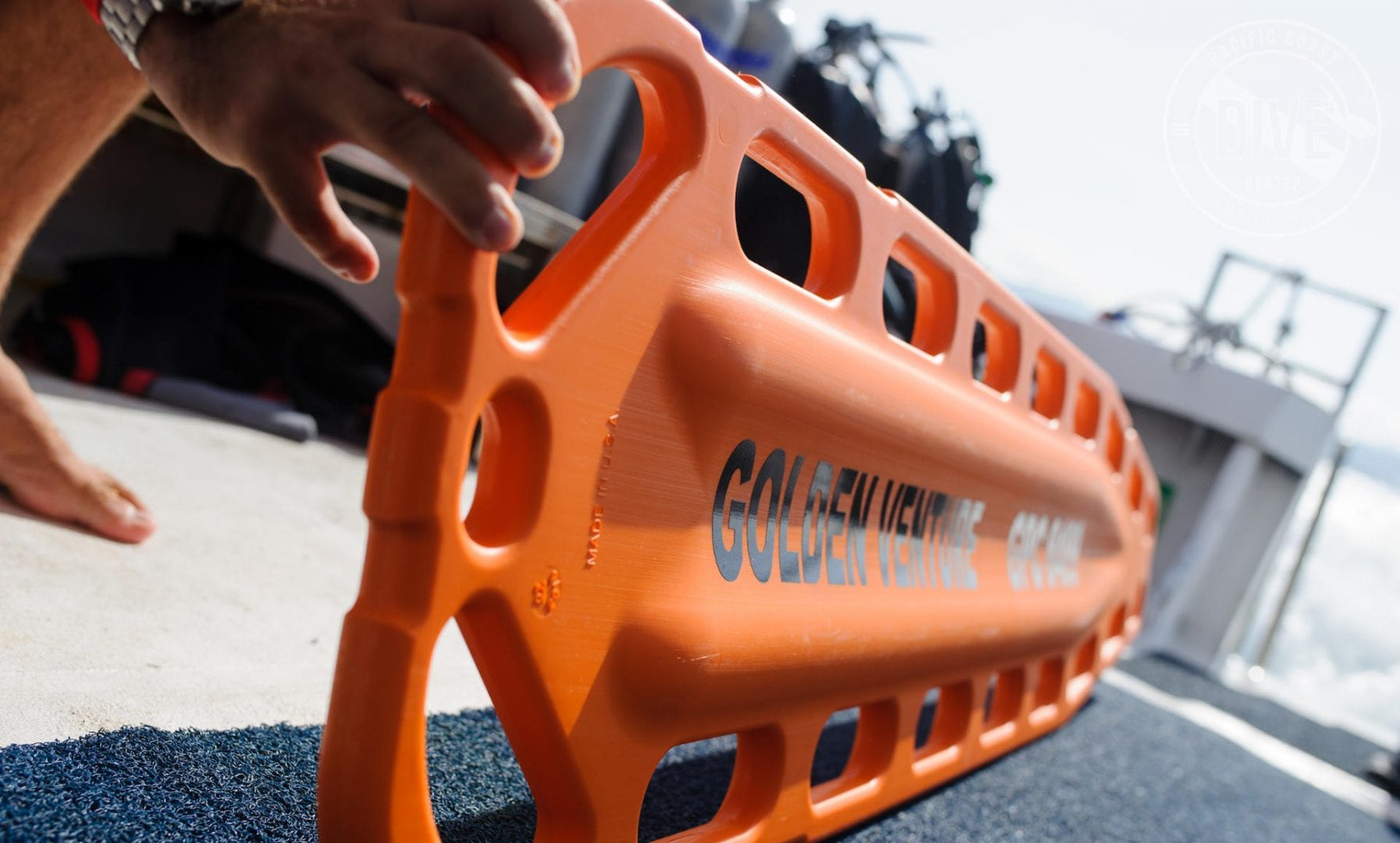
Diving safety doesn’t end when you get out of the water, so knowing how to apply first aid and CPR techniques is essential for any diver, as these skills can make all the difference in emergency situations. We will explore the importance of CPR and first aid training for divers, what a first aid kit should include on board and some key tips to be prepared.
-
Why Is First Aid and CPR Training Important for Divers?
Diving, although a safe activity with proper precautions, involves certain risks such as barotraumas, cuts, sea stings, drowning or decompression accidents. Having basic knowledge of first aid allows you to act immediately while professional help arrives, increasing the chances of a favorable recovery.

-
Benefits of CPR and First Aid Training
- React quickly and confidently during an emergency.
- Prevent serious complications after underwater or surface accidents.
- Protect the life of the affected person while the rescue team or medical services arrive.
-
What should a Diving First Aid Kit include?
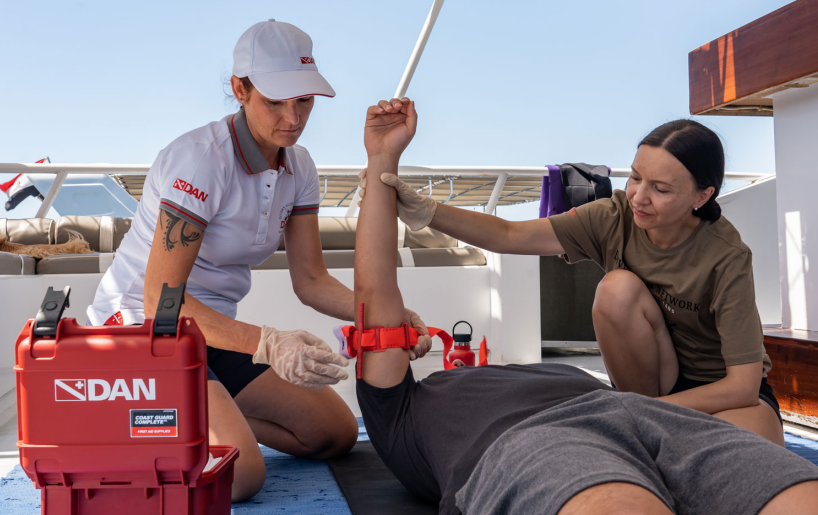
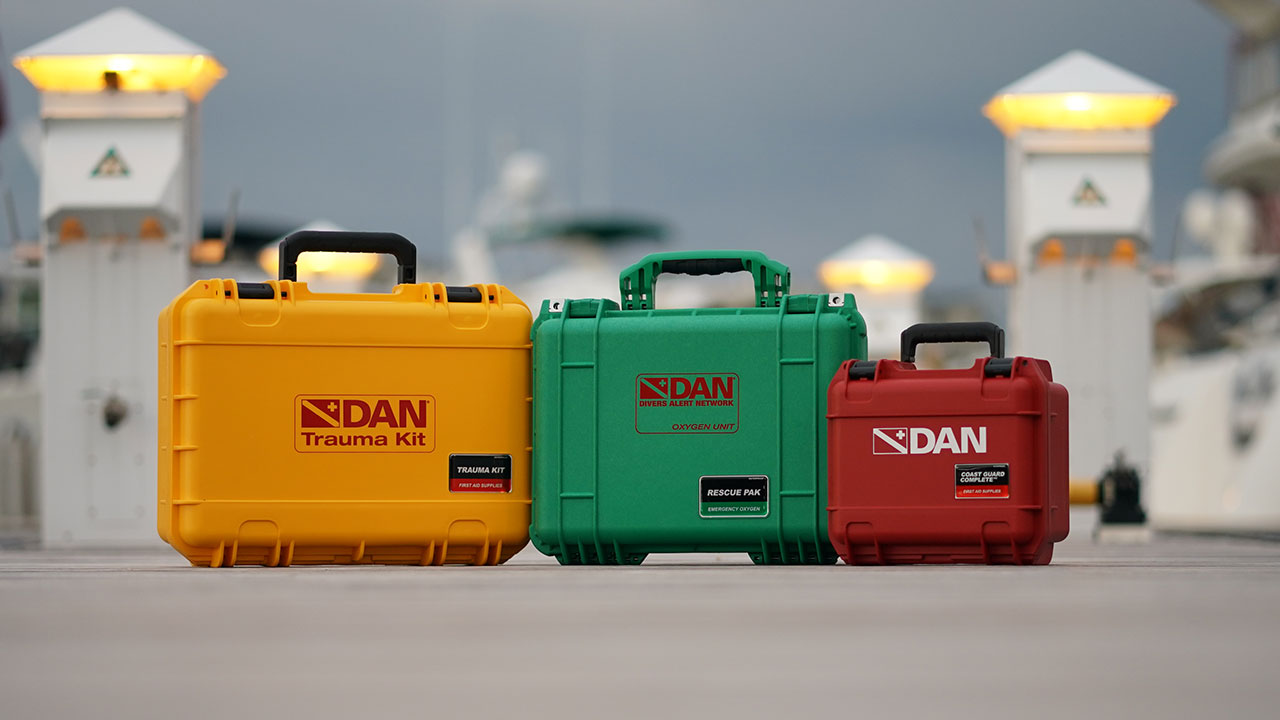
Carrying a well-equipped first aid kit is indispensable. According to PADI and DAN recommendations it should include the following:
- PADI Dive Accident Management Work Slate: For recording accident-related information and following the dive accident management flowchart
- Motion sickness medications, which do not cause drowsiness
- Vinegar: For treating jellyfish (and other) stings
- Hot packs: Used for stings, bites or poisonous puncture wounds from sea urchins, etc
- Antibacterial soap: For washing wounds
- Antiseptic solution (iodine, chlorhexidine): For cleaning wounds after washing
- Hydrocortisone ointment: Can be used for bites or skin irritations.
- Adhesive bandages, tape, waterproofs, sterile dressings and gauze
- Safety scissors
- Disposable gloves
- Basic medication (analgesics, antihistamines): To treat allergic reactions, to name one example
- Sun lotion (preventative care) and after-sun lotion
- Rehydration drink sachets/electrolytes
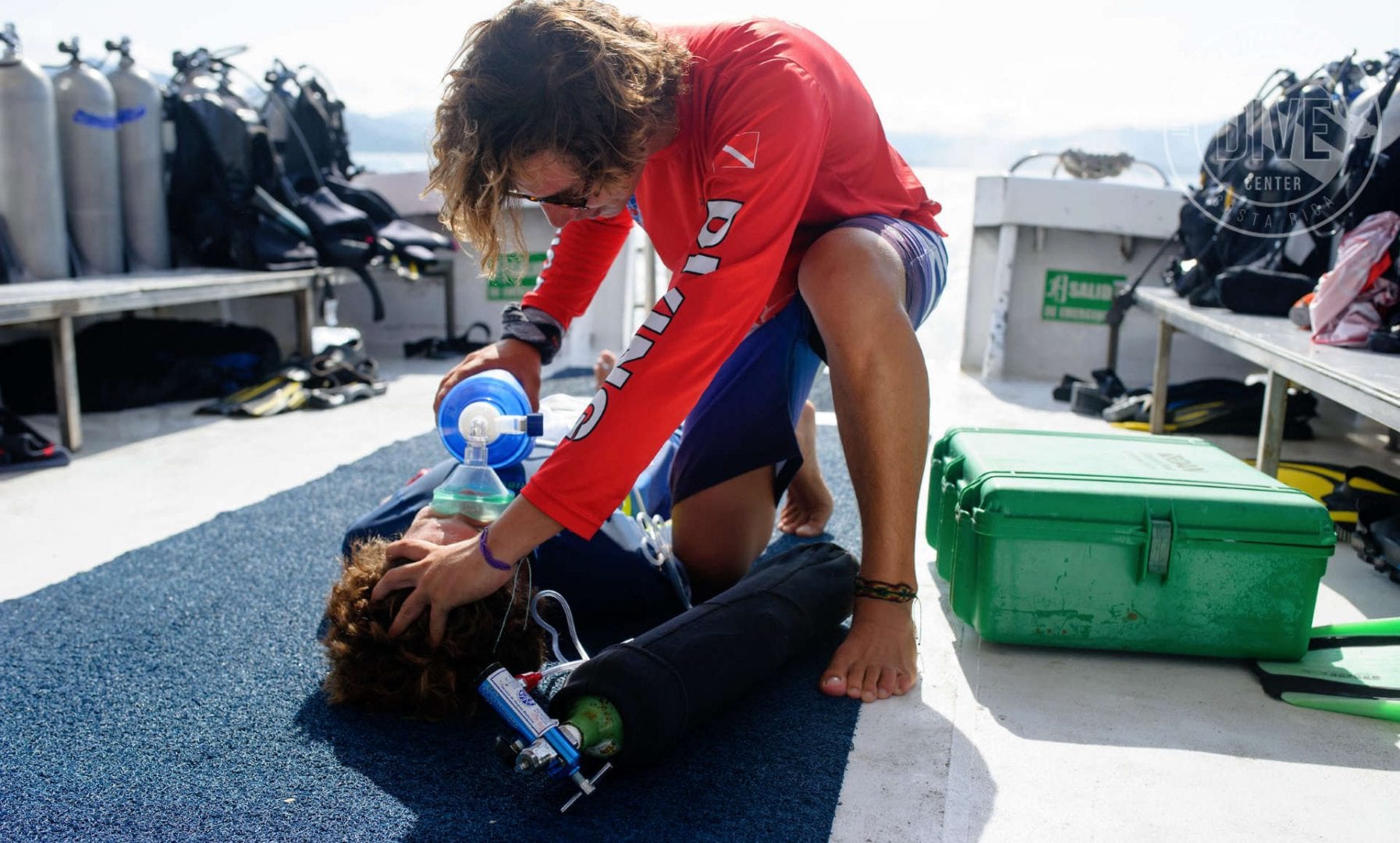
- Emergency breathing oxygen: Must have a demand valve for divers who are breathing and a continuous flow option for unresponsive divers.
- Automated External Defibrillator (AED): For ED and drowning cases where the diver is unresponsive
- CPR pocket barrier (mask or one-way valve)
- Foil exposure blanket: Can also be used to treat shock and hypothermia
-
Key Tips for Divers
- Take a certified CPR and first aid course before diving regularly.
- Check and update your first aid kit before every trip.
- Know your dive center’s rescue and evacuation plan.
- Run emergency drills from time to time.
Take your passion for scuba diving to the next level



FAQ about CPR and First Aid for Divers
Is it mandatory to have a CPR course to dive?
It is not always mandatory, but highly recommended, especially for advanced and professional divers.
How often should I update my training?
It is recommended to renew your CPR and first aid knowledge at least every two years.
What should I do if a diver loses consciousness?
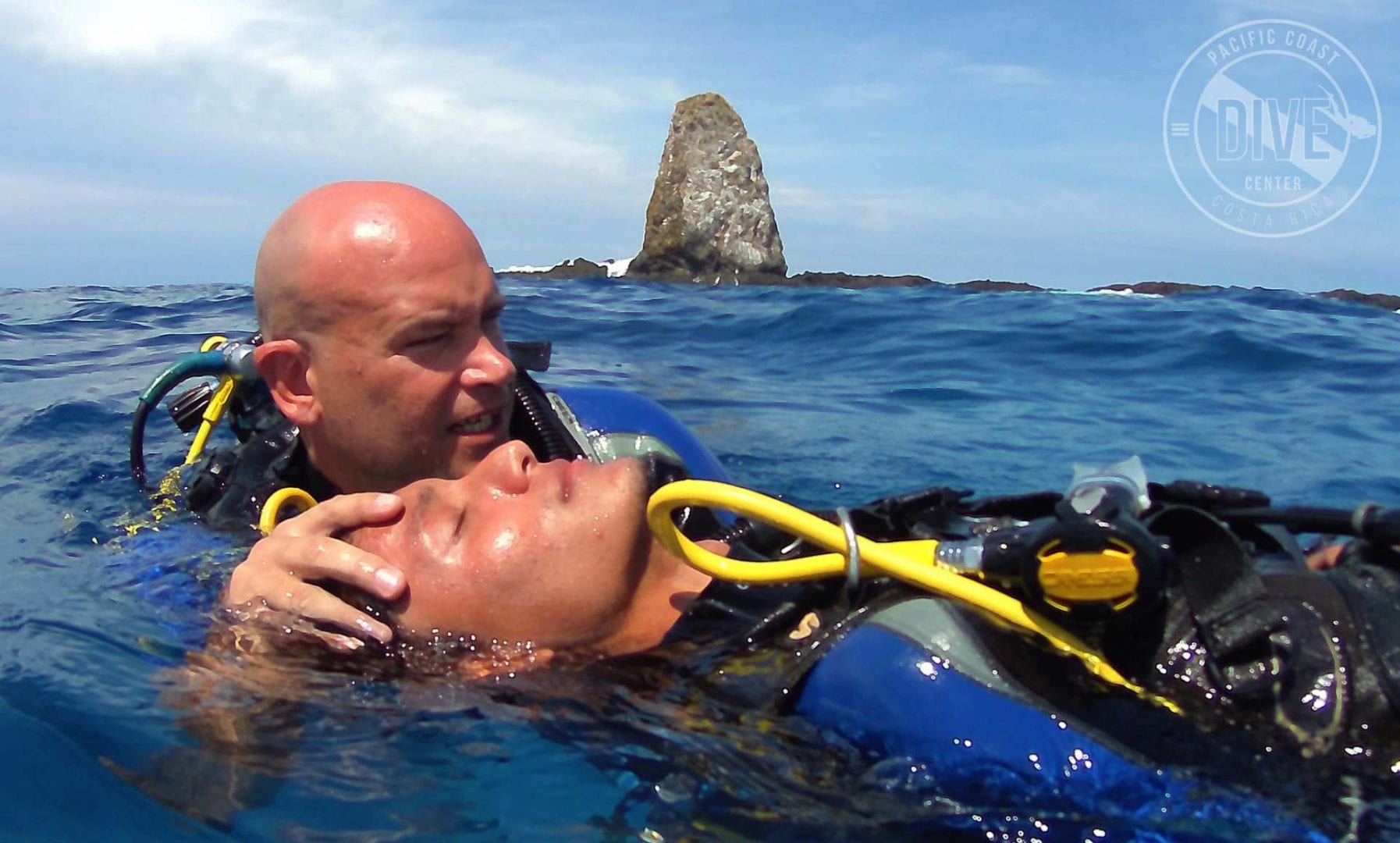
Stay calm, bring them safely to the surface, check breathing and pulse, start CPR if needed, and call for medical help immediately.
Get ready to Save Lives Underwater!
Are you ready to act safely and confidently in an emergency? Book your CPR and first aid course today, become a diver who makes a difference in any critical situation.