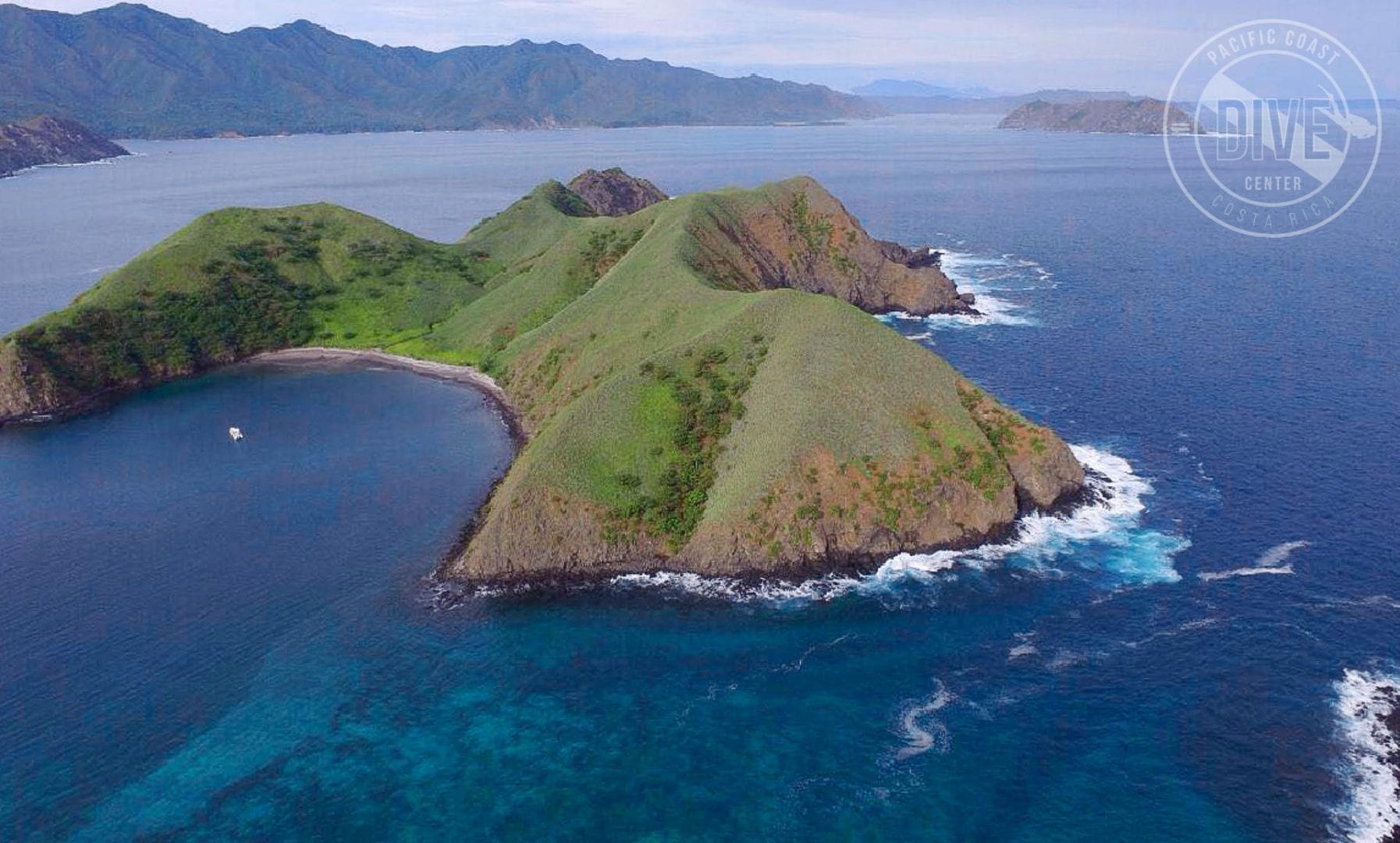
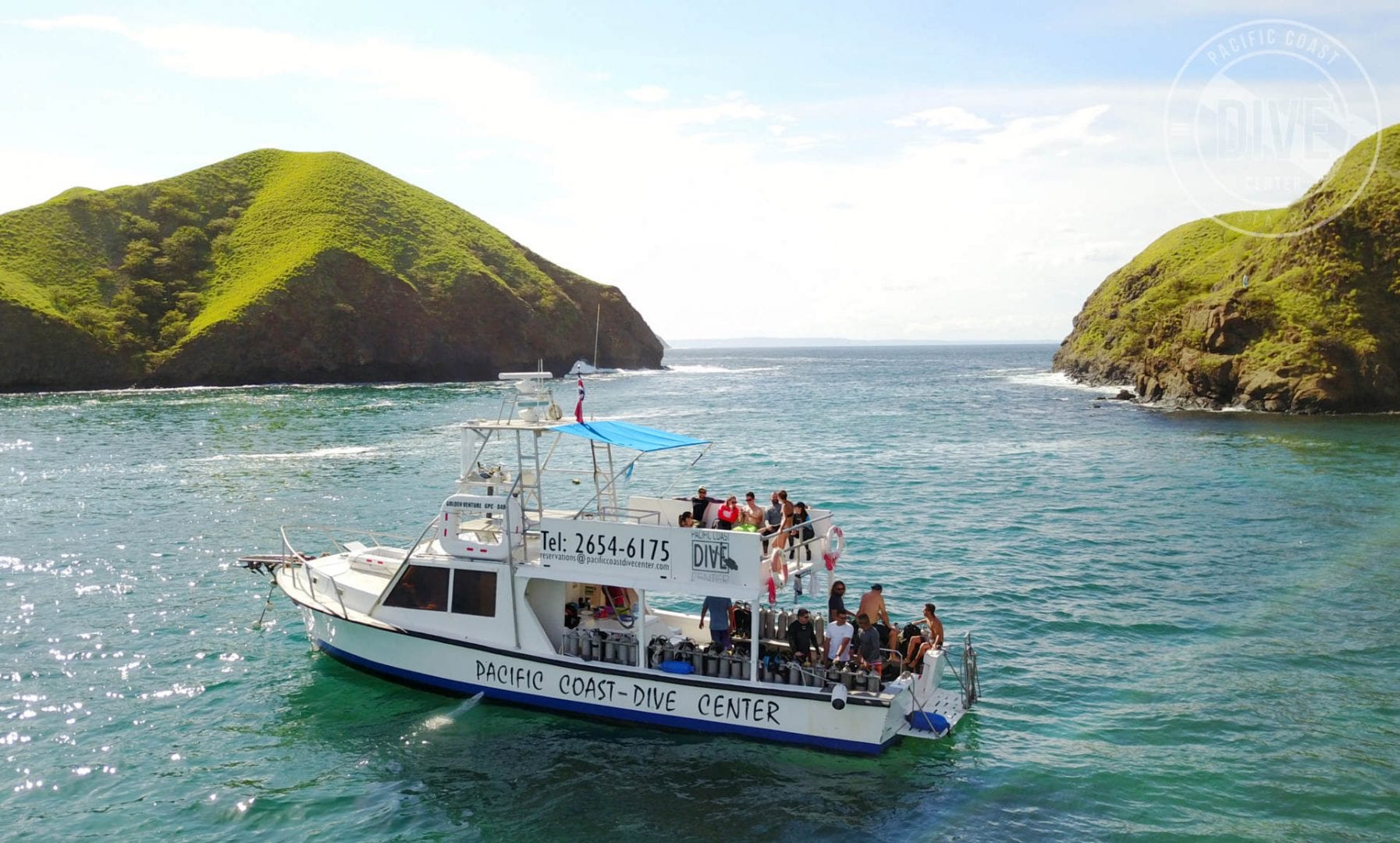
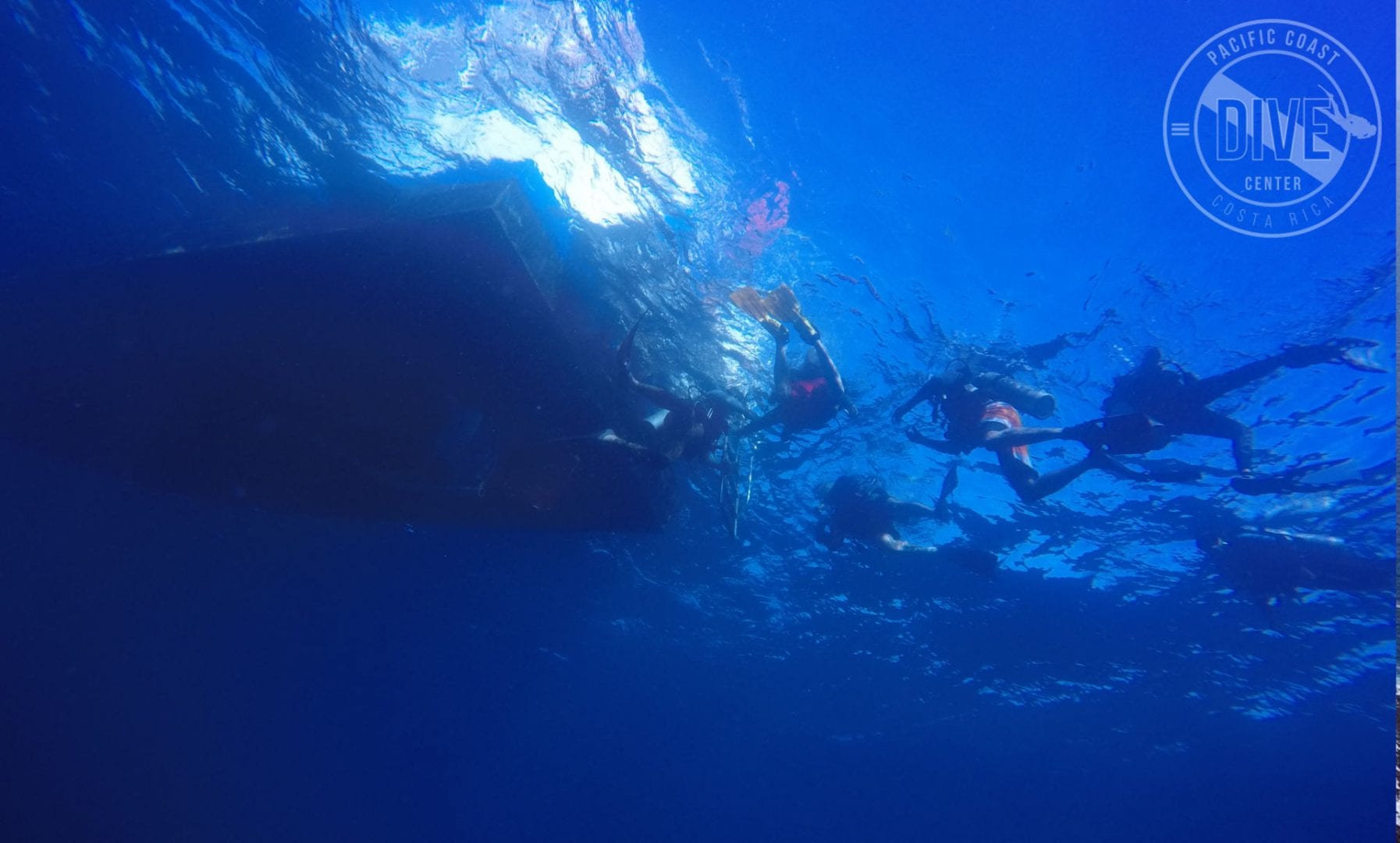
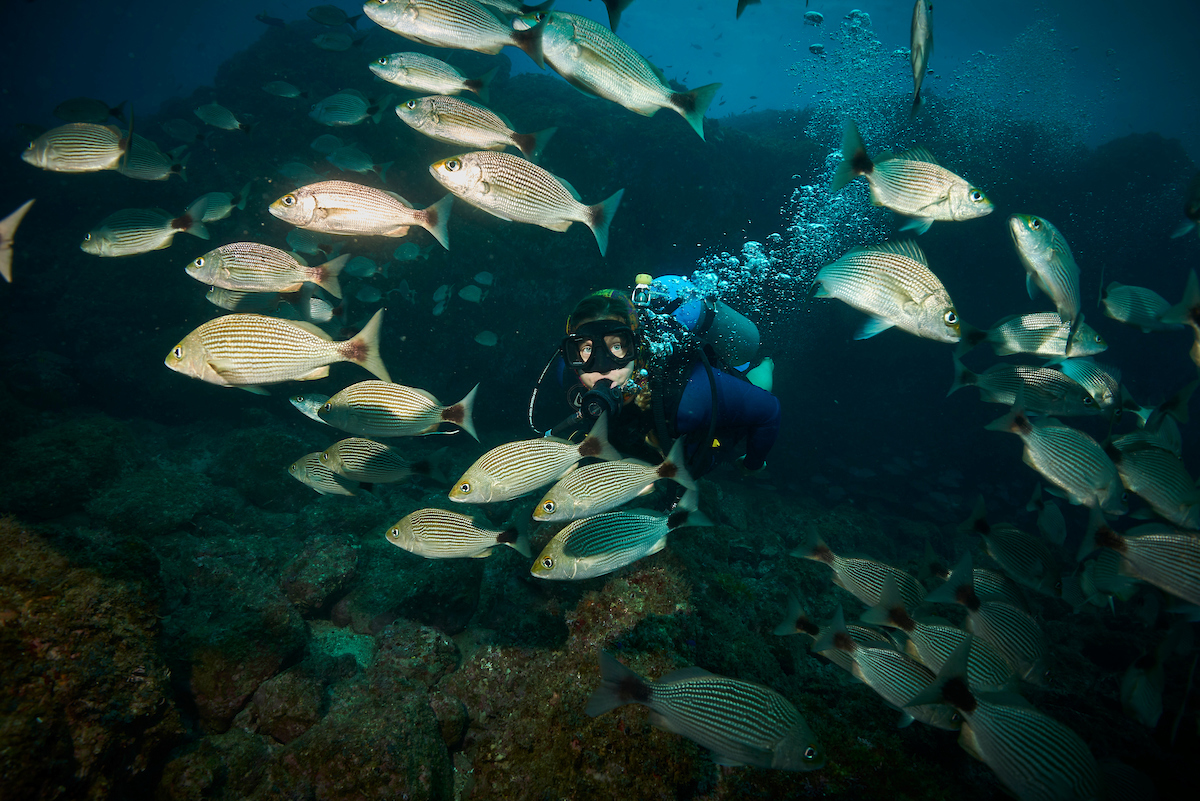
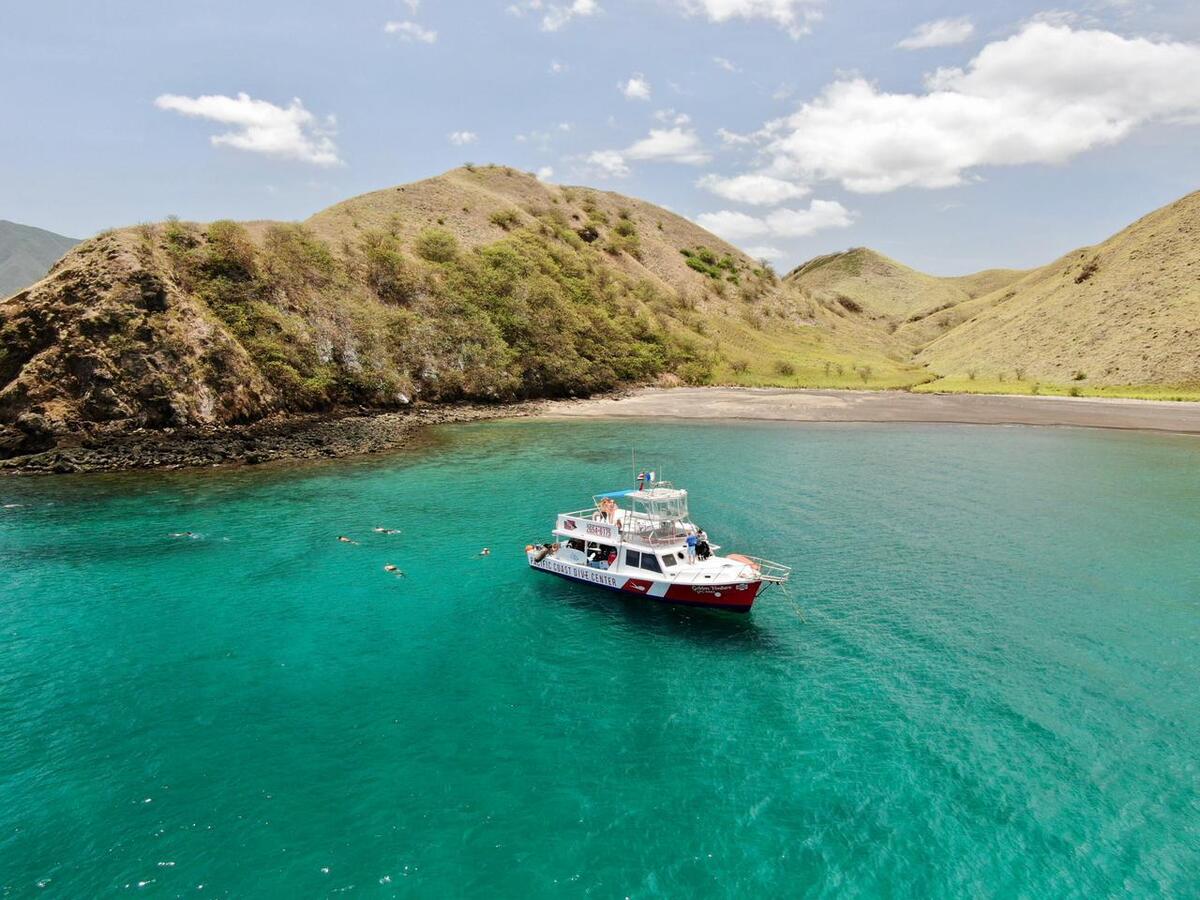
The Bat Islands are a group of uninhabited islands that form part of the Guanacaste Conservation Area, renowned for its biodiversity and protected as a natural heritage site; they are located approximately 30 miles off the coast and can only be reached by boat from areas such as Playas del Coco or Flamingo. This destination is ideal for those seeking a wilder, more remote, and authentic experience, far from mass tourism.
Bat Island
As it is a protected area known for its biodiversity, it is one of the most important diving sites in Guanacaste. On our expedition, you’ll be able to appreciate both its beauty and that of the archipelago itself.
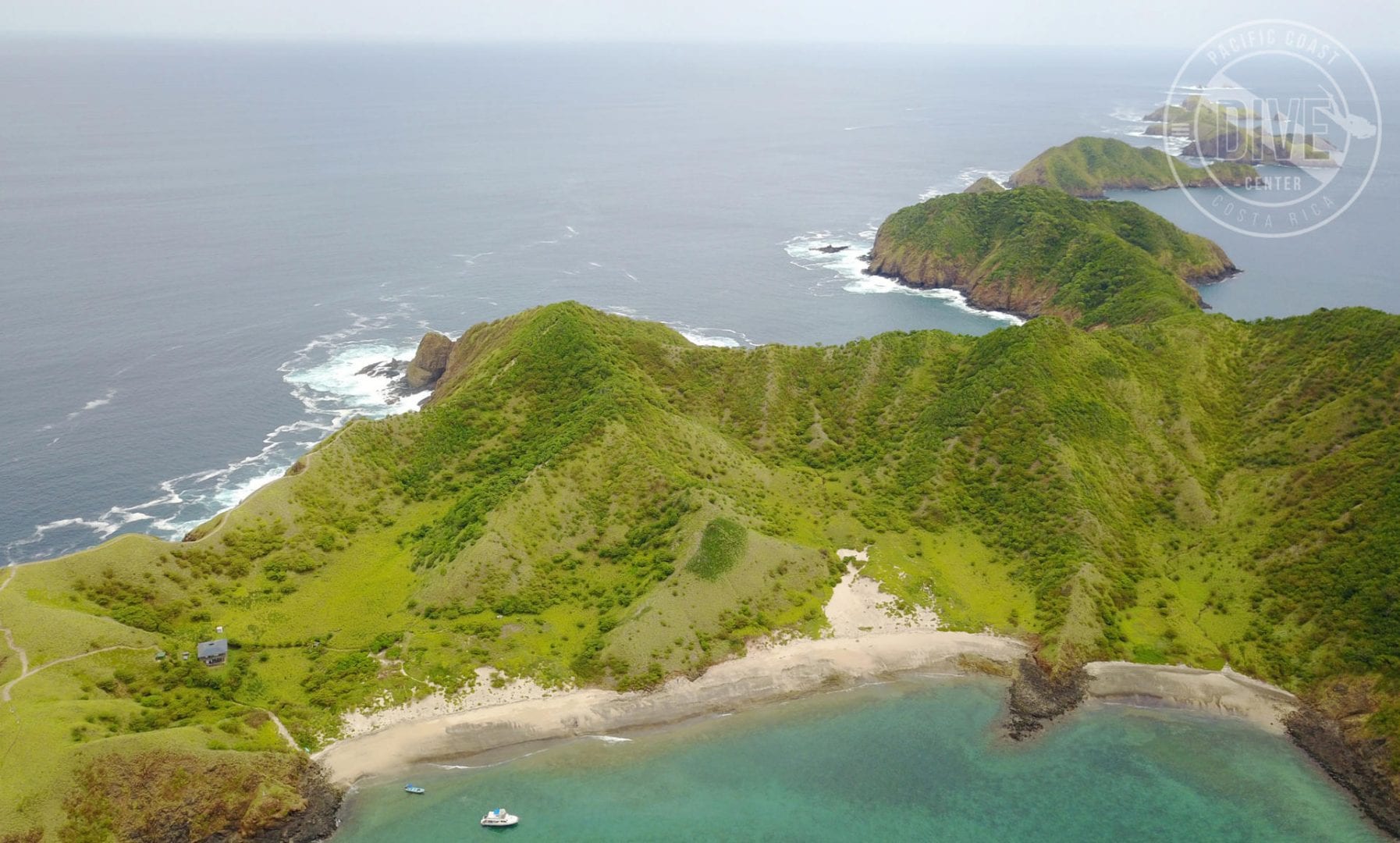
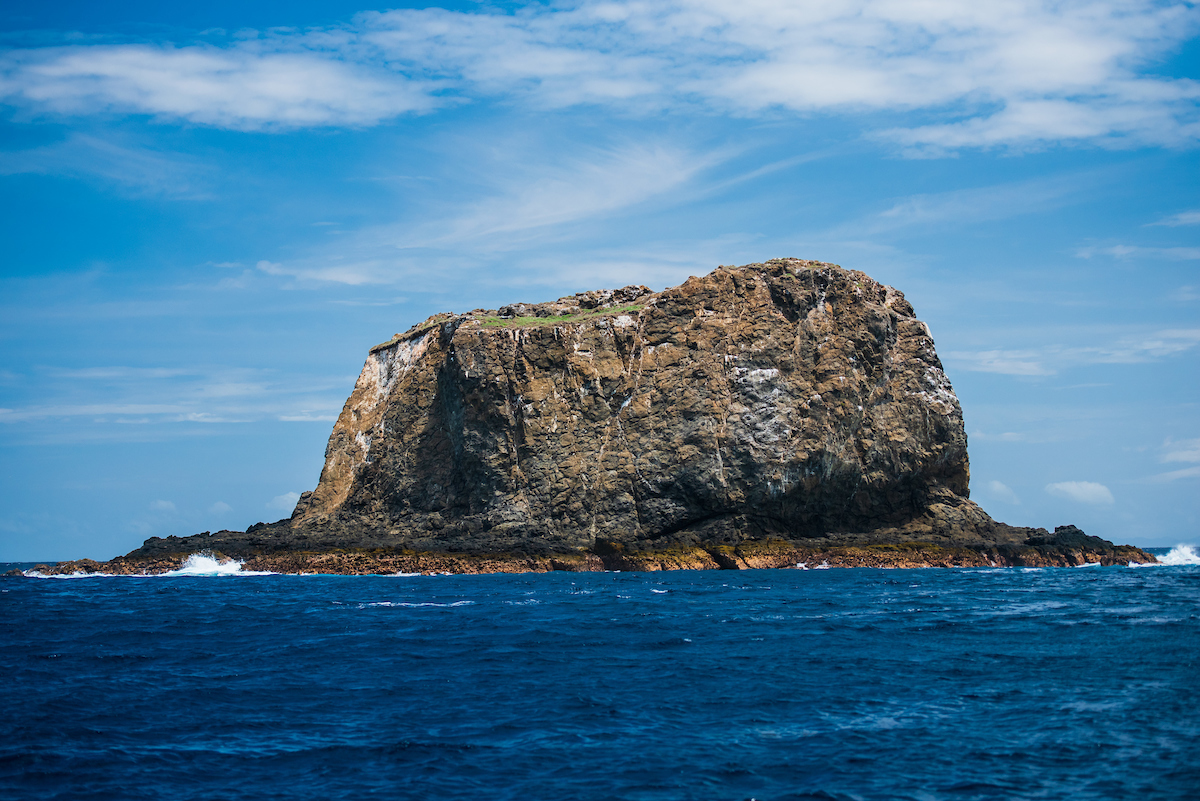
The Bat Islands belong to the National Park of Santa Rosa and consist of an archipelago that is formed of 5 main islands.
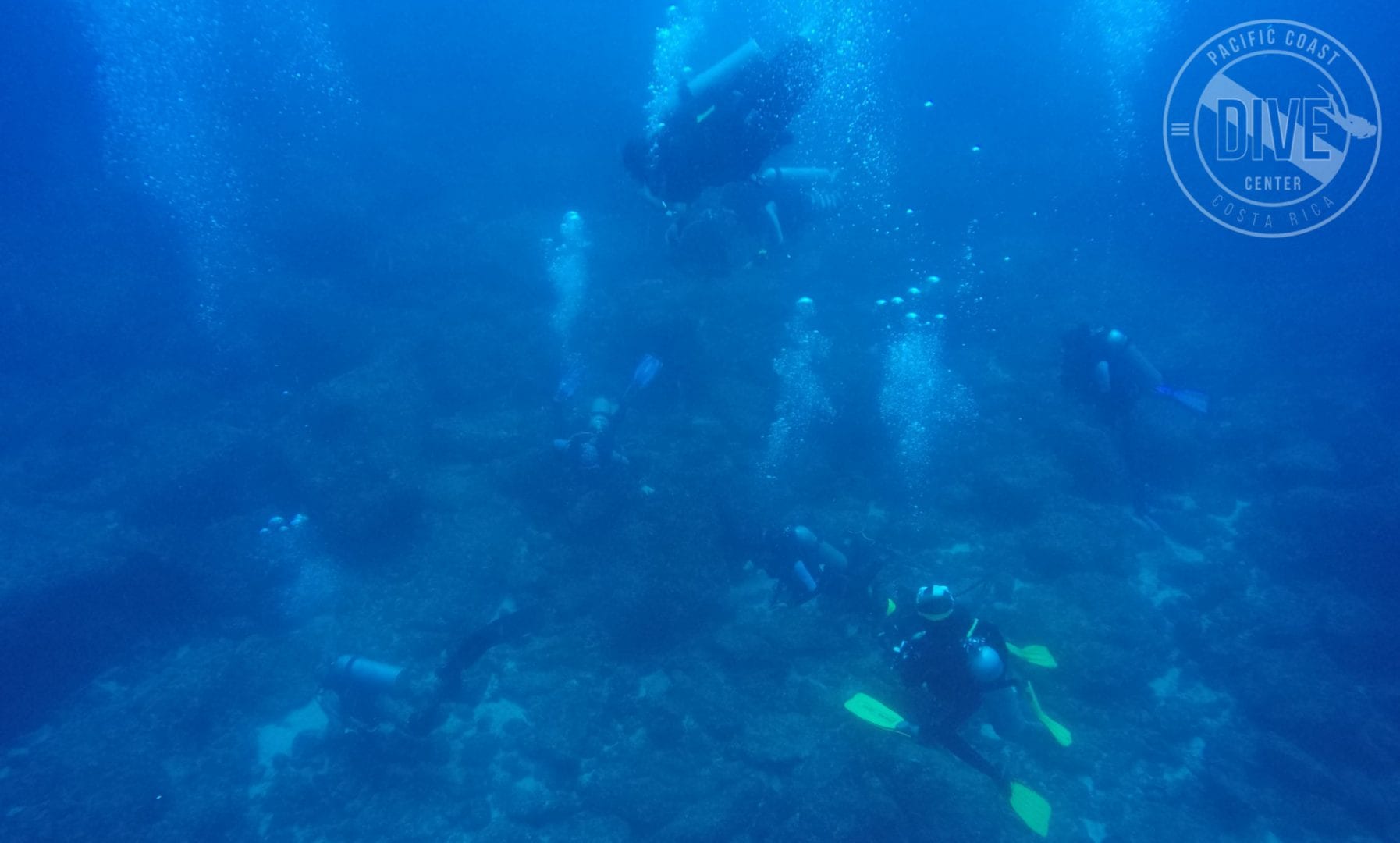
Within Costa Rica, it is considered one of the most attractive points to visit for diving but is a site where only advanced divers are allowed due to the depths.
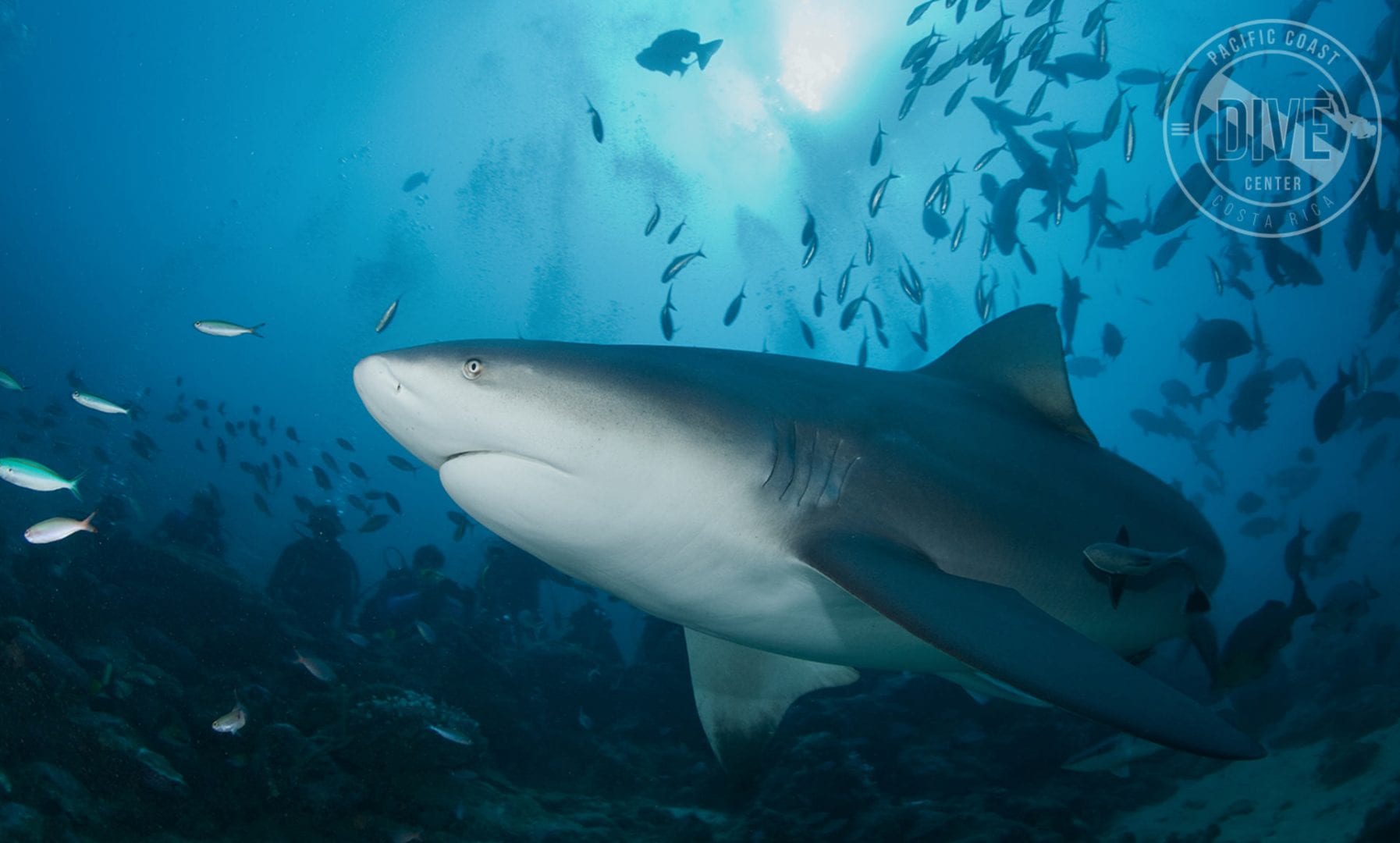
The Bats are most famousfor the chances of seeing the Bull sharks, although other shark species can also be sighted.
Marine Life at Bat Island
The Bat Islands are renowned for their incredible marine biodiversity; they are one of the few places in Costa Rica where you can dive with bull sharks in their natural habitat, without artificial feeding.
It’s also worth noting that the nutrient-rich water attracts large concentrations of marine life, making every dive a unique experience. Some of the most notable sightings include the following.
Bull sharks
The site’s main attraction for divers
Giant manta rays
You can also see stingrays and pelagic species
Sea turtles
Often seen while snorkeling and scuba diving.
Tropical fish
Large schools of tropical fish
Dolphins
During certain seasons, and occasionally, they can be spotted near the Bat Islands.
Main Activities at Bat Island
On the Murciélago Islands, you can enjoy a variety of activities, including scuba diving, which is particularly suited for advanced divers due to strong currents and snorkeling, which is limited to specific conditions. Boat tours and underwater photography are also available.
Main Diving Spots in Bat Island
Some of the best known dive sites in the Bat Island include: Big Scare, the most famous site due to the high likelihood of seeing bull sharks; and Black Rock, volcanic formations where you can see large numbers of fish and rays. There is also the Shark Cave dive site, which is ideal for close encounters with pelagic wildlife.
FAQ about Bat Island, Costa Rica
Do I need experience to dive at the Bat Islands?
Yes. It is generally recommended that you have an advanced certification and prior experience due to the currents and depth.
Is it safe to dive with bull sharks?
Yes, as long as you follow the guide’s instructions and show respect for marine life. It is a regulated activity, and no artificial feeding takes place.
When is the best time to visit?
Our dive center organizes special expeditions, as this location can only be visited when conditions are generally more favorable and visibility improves. The season typically runs from June to October.
Where do the tours depart from?
Mainly from Playas del Coco or Flamingo, in Guanacaste.
Can you see other animals besides sharks?
Yes, you can also spot different types of rays, as well as large schools of horse mackerel, snappers, and damselfish. Octopuses, moray eels, and other pelagic species are always present on our dives in the Murciélago Islands.
Experience the Adventure on the Bat Islands!
Enjoy an unforgettable experience exploring the crystal-clear waters of the Bat Islands, one of the best diving spots in Costa Rica. Dive among volcanic formations, schools of tropical fish, manta rays, and during the right season impressive sharks.
Isla Plata is one of the larger islands. Most of the island is inaccessible from the sea because of a fringing shelf of very rough rocks and cliffs at the shore.