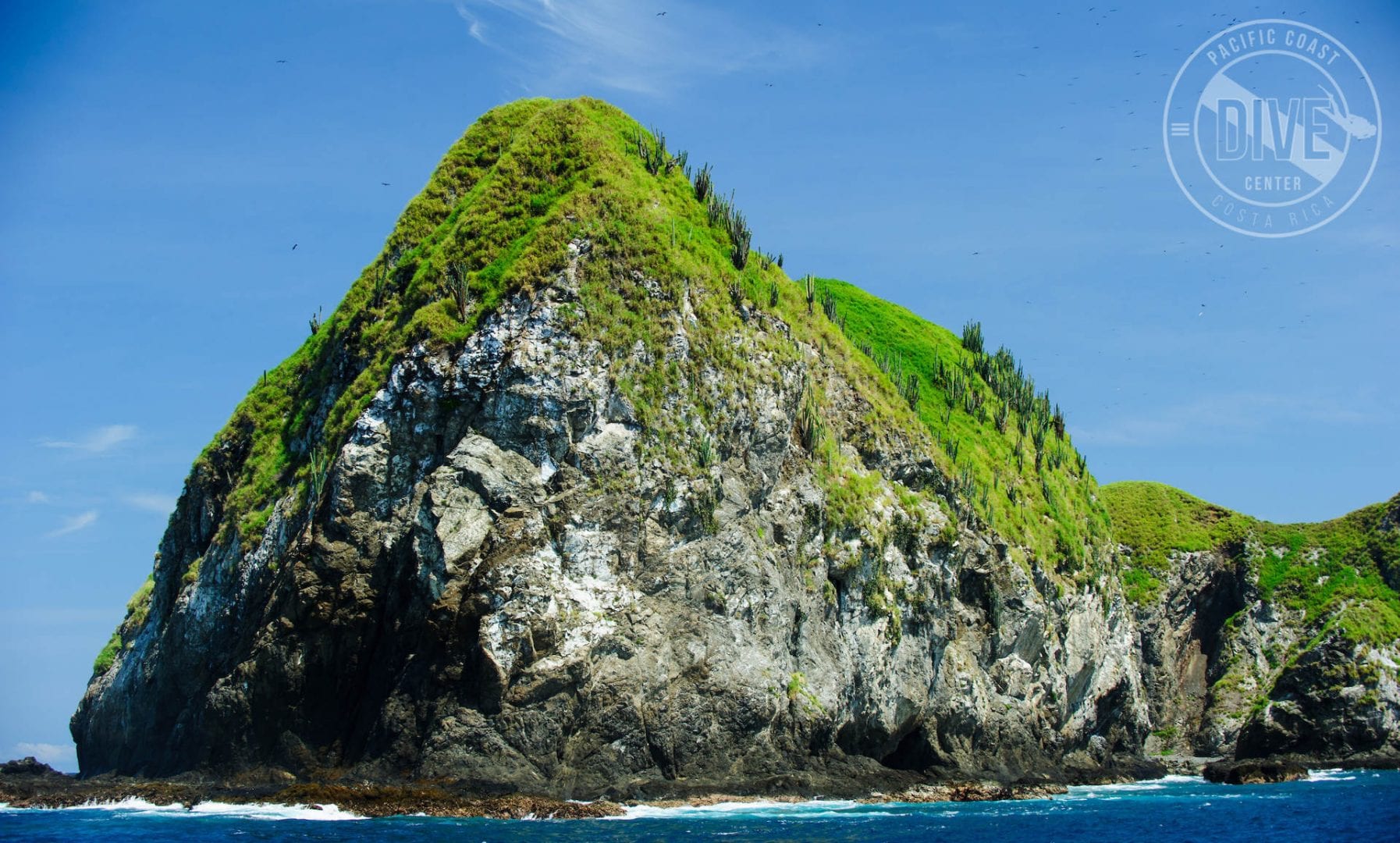
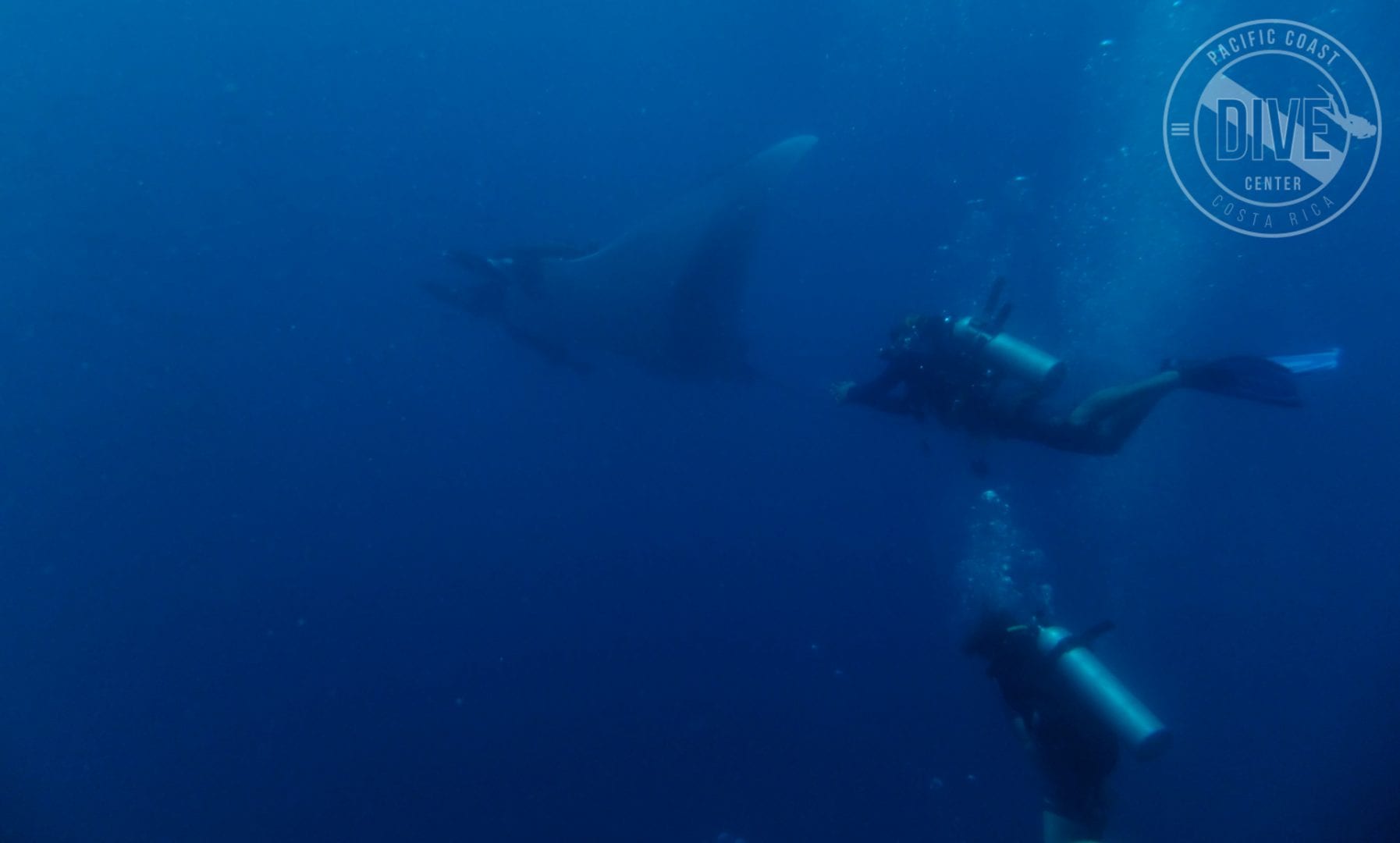
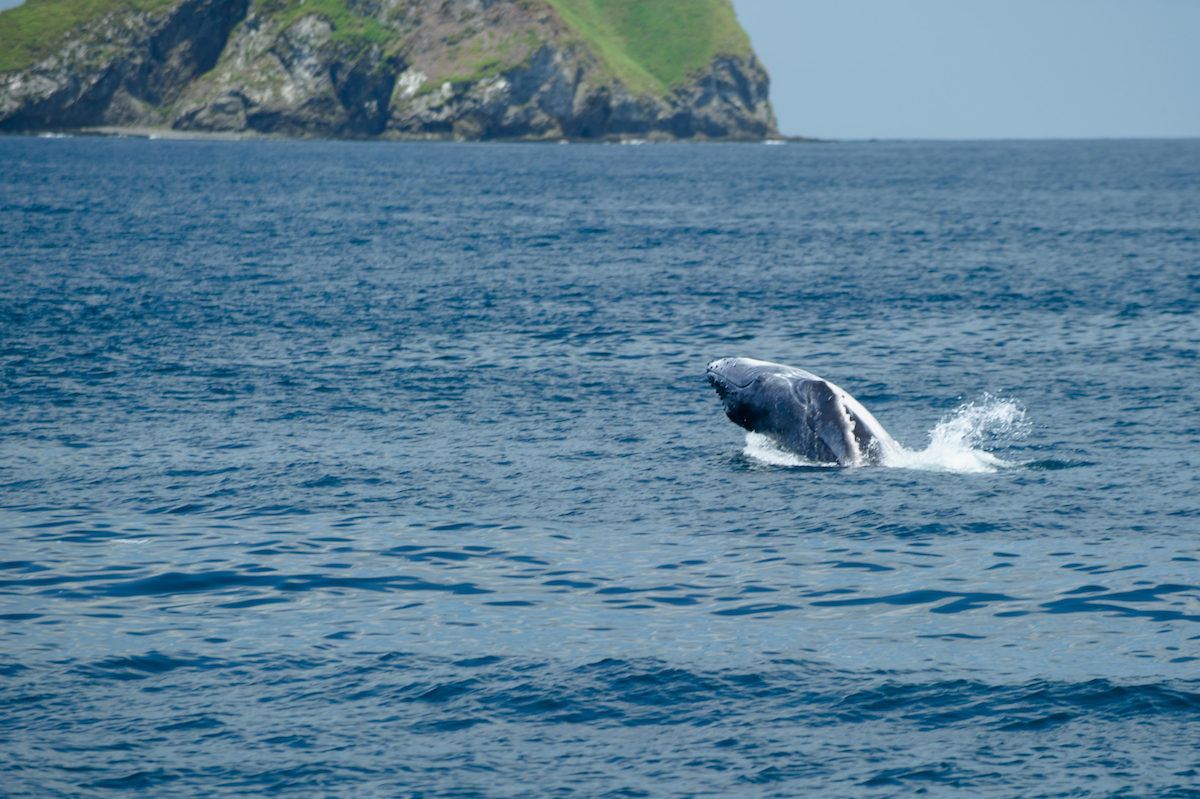
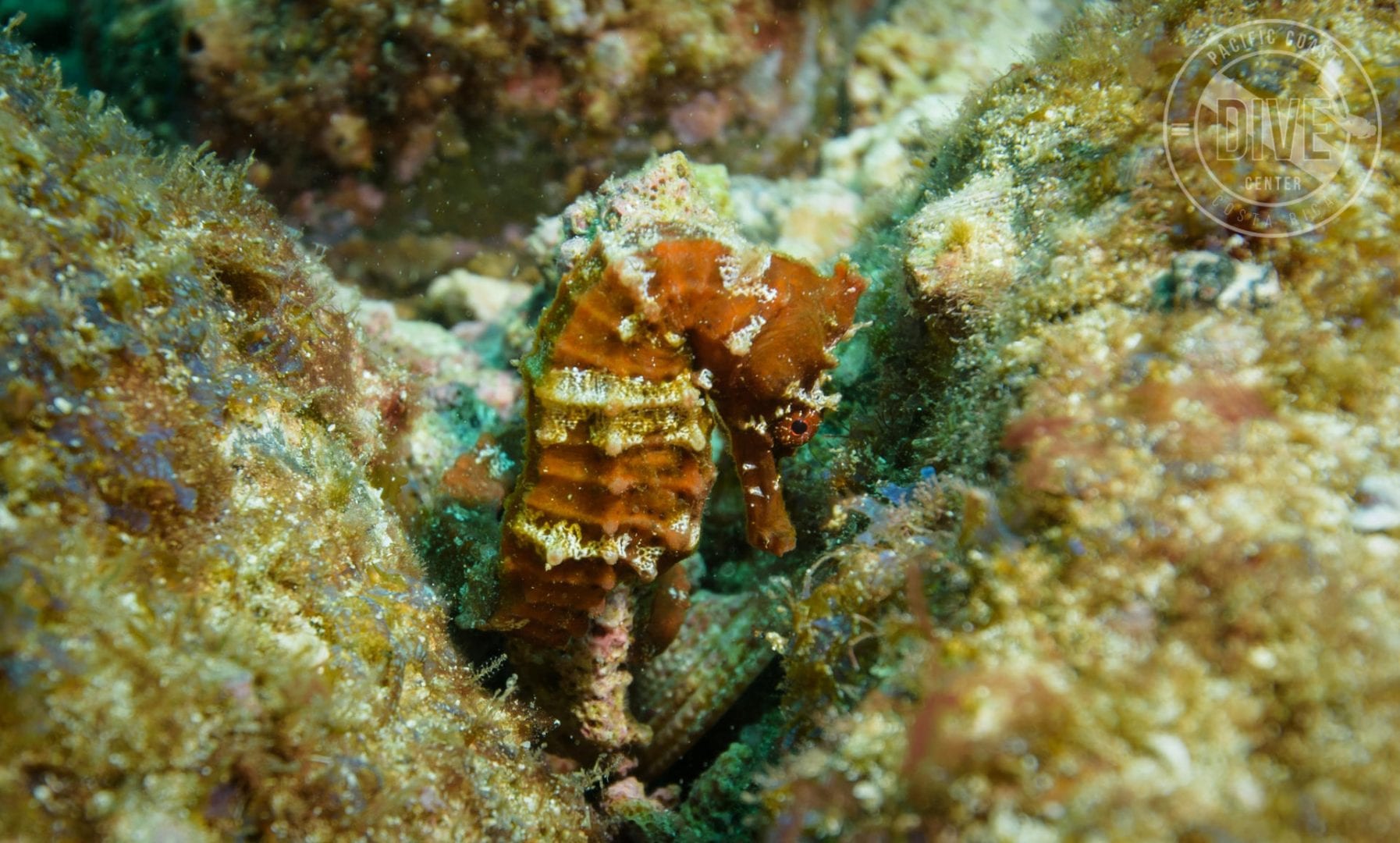
Catalinas Islands are a group of volcanic islands located off the northern Pacific coast of Costa Rica in Guanacaste Province. This destination is globally recognized for its incredible marine biodiversity and is ideal for activities like diving and snorkeling. Visitors have the opportunity to encounter giant manta rays, reef sharks, sea turtles, and a vibrant variety of tropical fish.
Las Catalinas
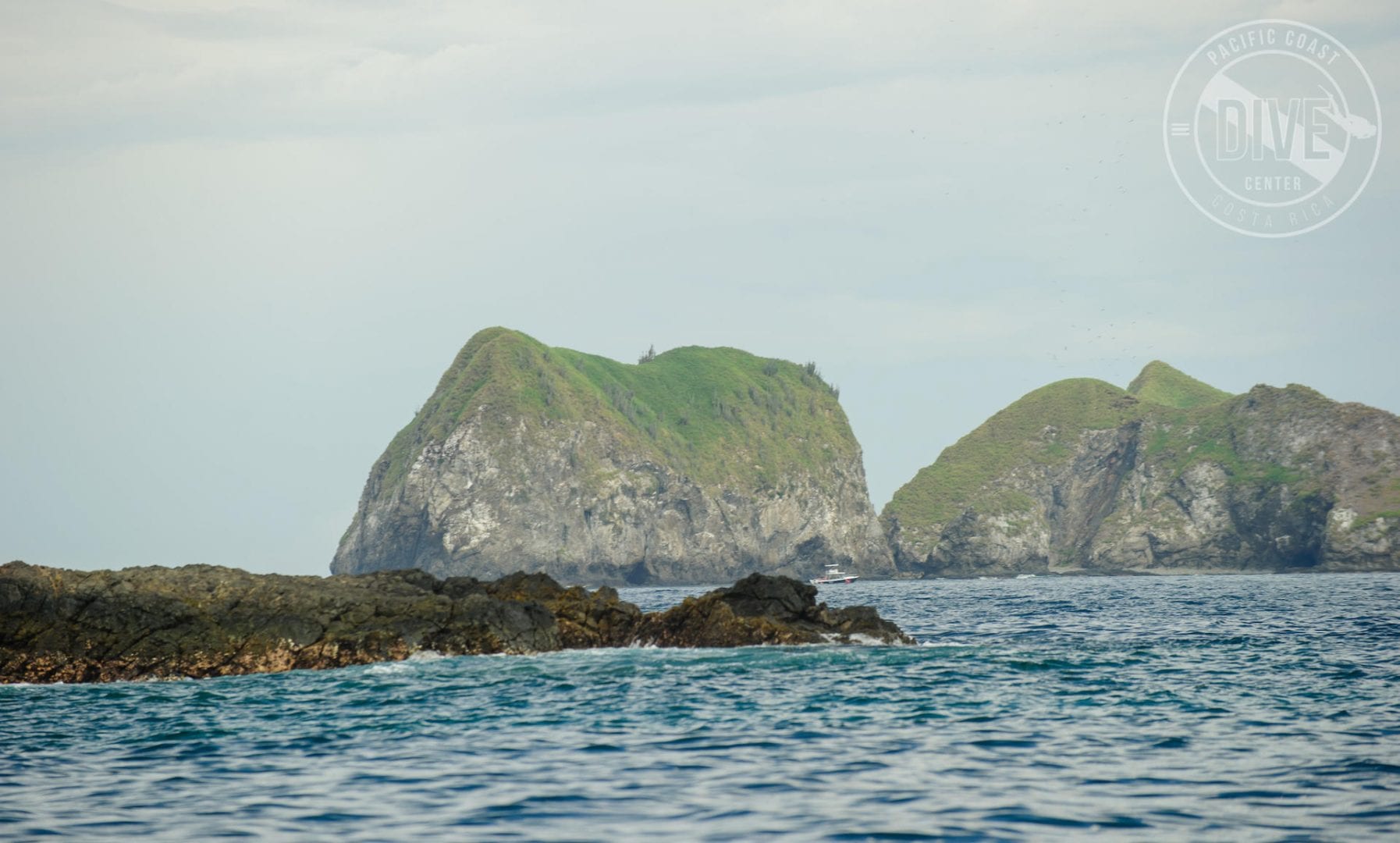
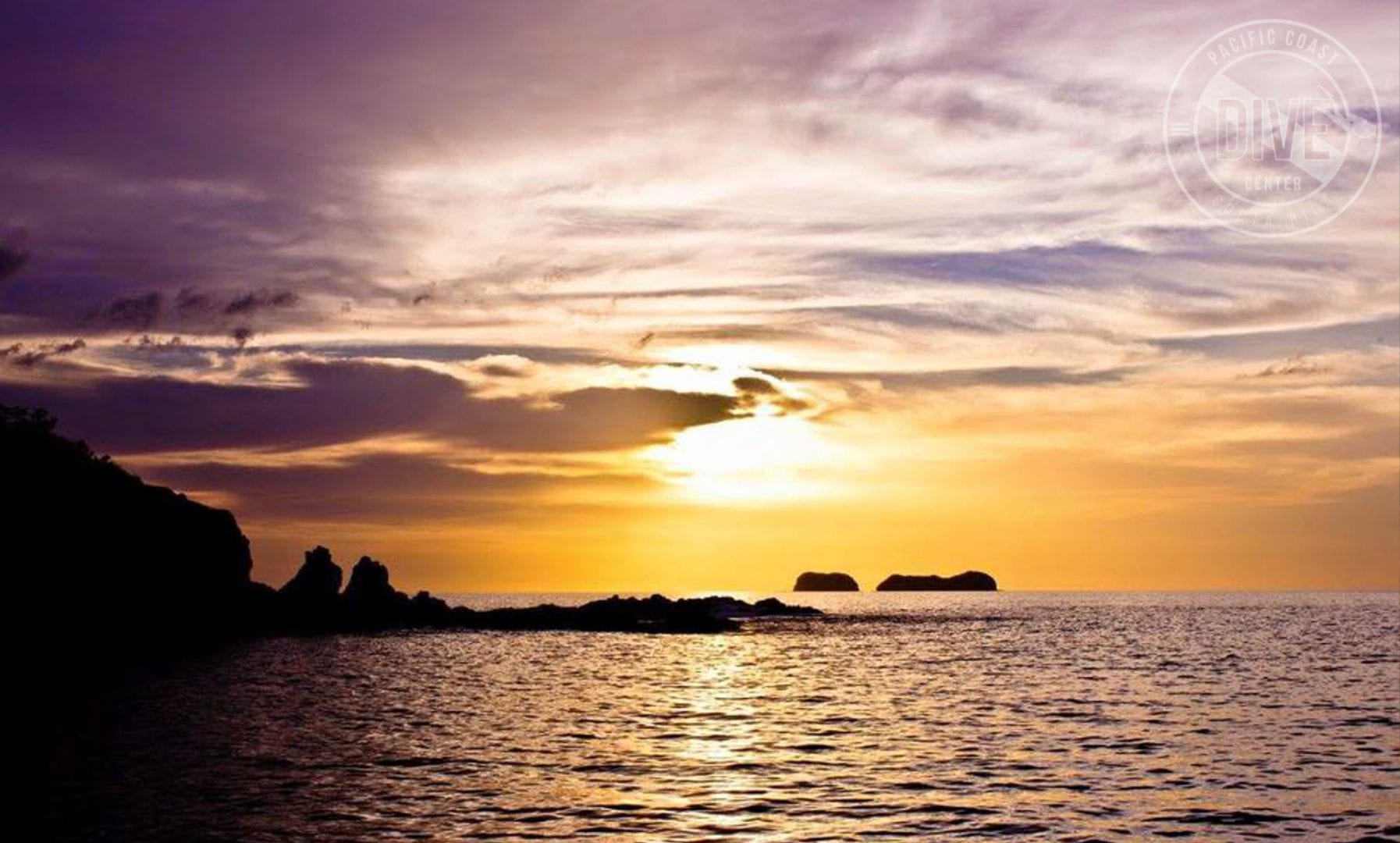
The Catalina Islands are a formation of volcanic pinnacles in the Costa Rican North Pacific Ocean, they are located 6 miles to the west of Flamingo.
Thanks to the large continental shelf on the Pacific coast and changing currents that provide nutrients, these islands are considered a highly biodiverse point in the ecosystem.
Conditions are variable during the year with in-water temperature dipping as low as 55ºF (13ºC) and reaching 86ºF (30ºC) depending on the season.
Marine Life at Catalinas Islands
The waters surrounding Catalinas Islands are rich in marine biodiversity. Key highlights include:
Giant manta rays
A major attraction for divers.
Reef sharks
Often seen near the reefs.
Sea turtles
Commonly spotted during snorkeling and diving sessions.
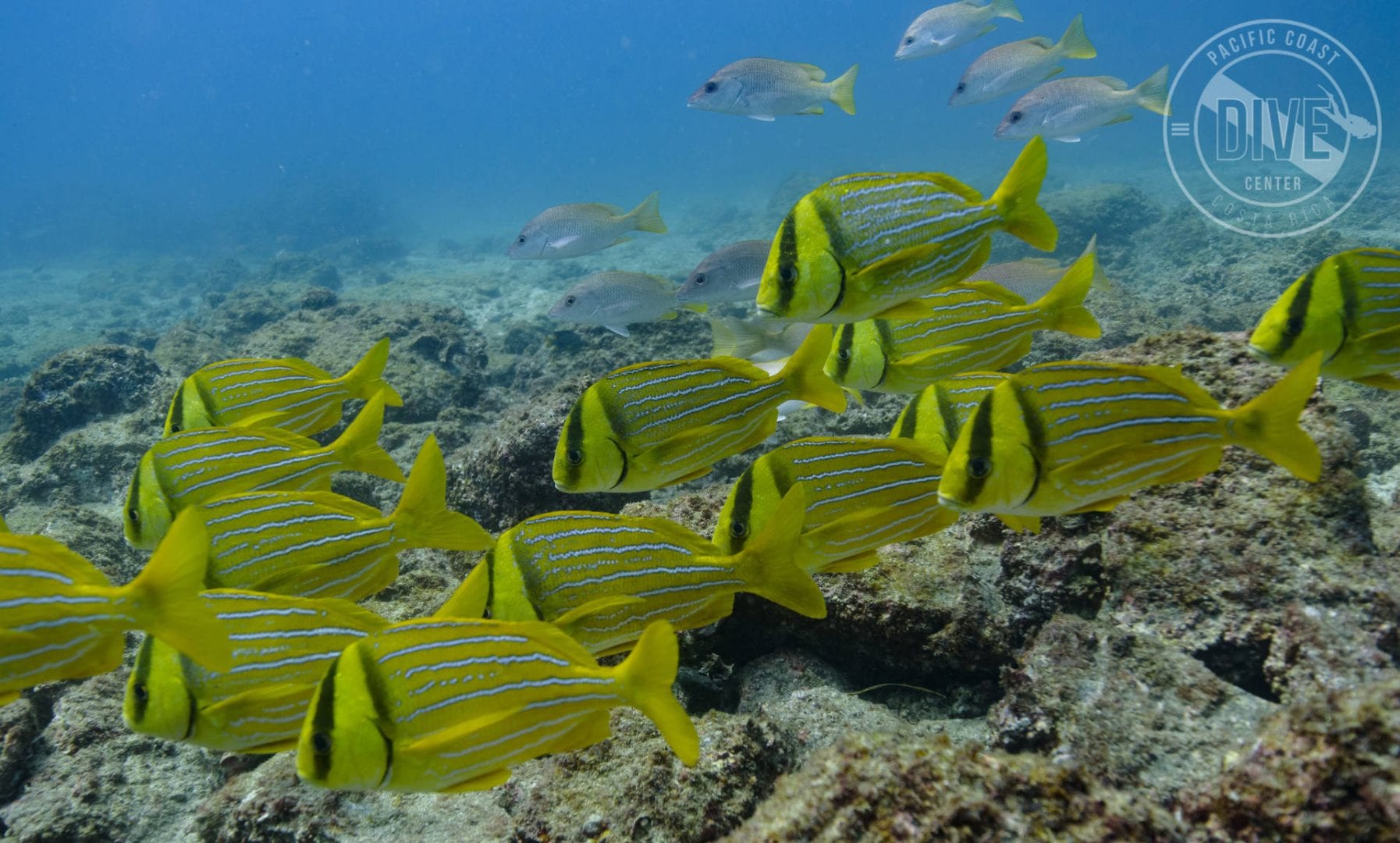
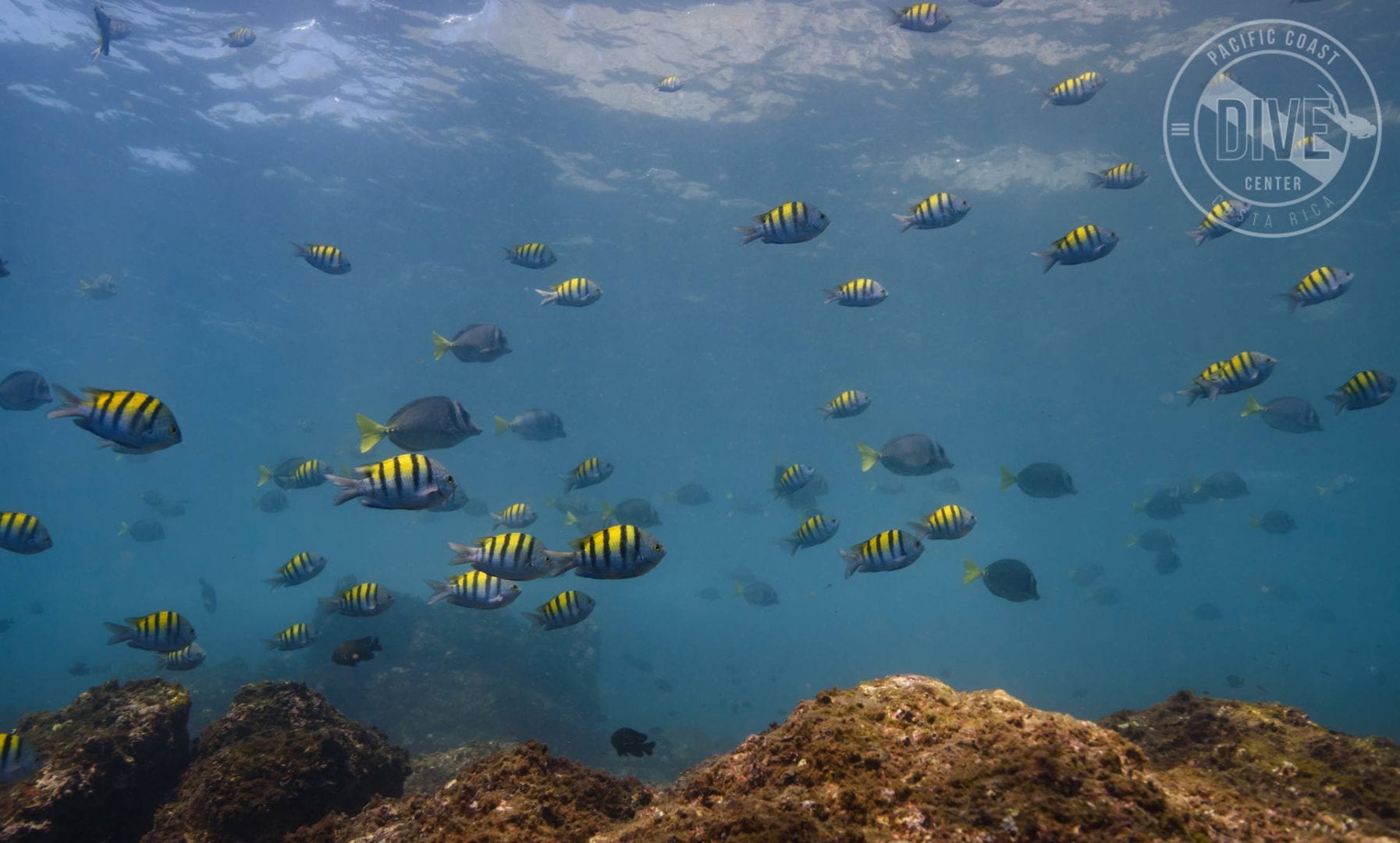
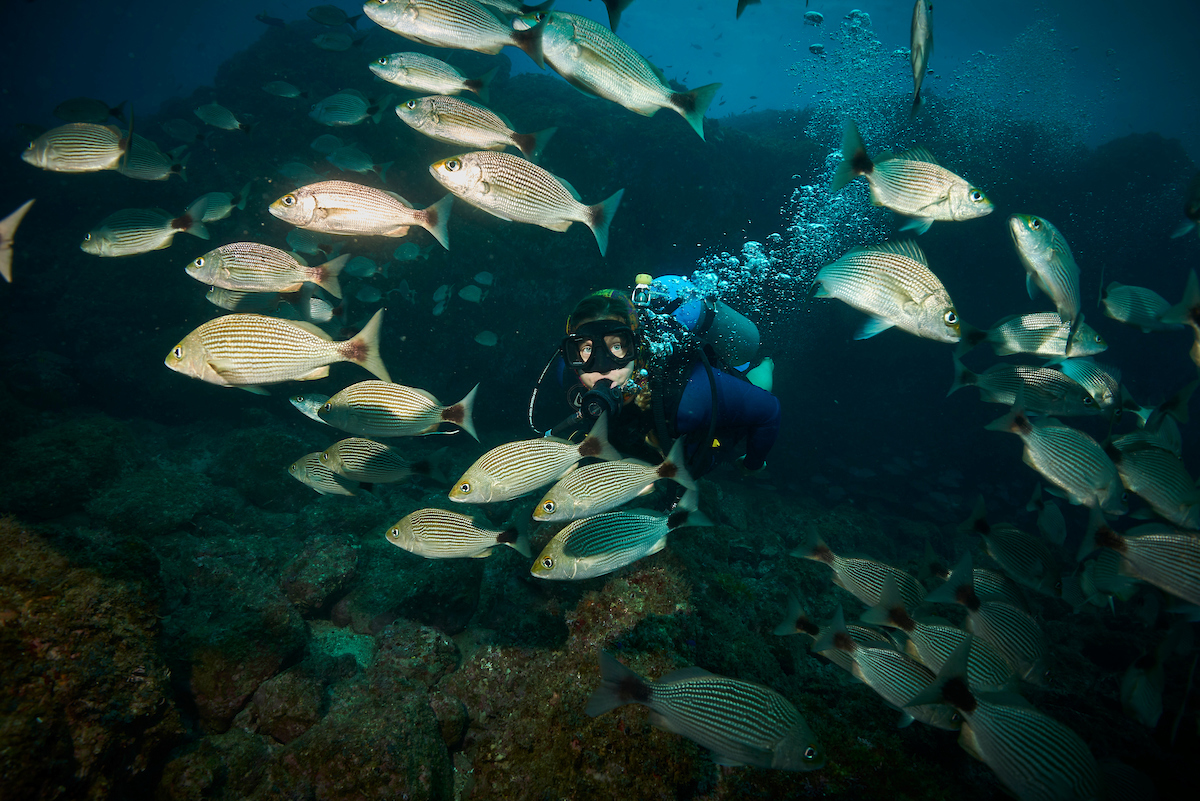
Schools of tropical fish
Including angelfish, snappers, and rays.
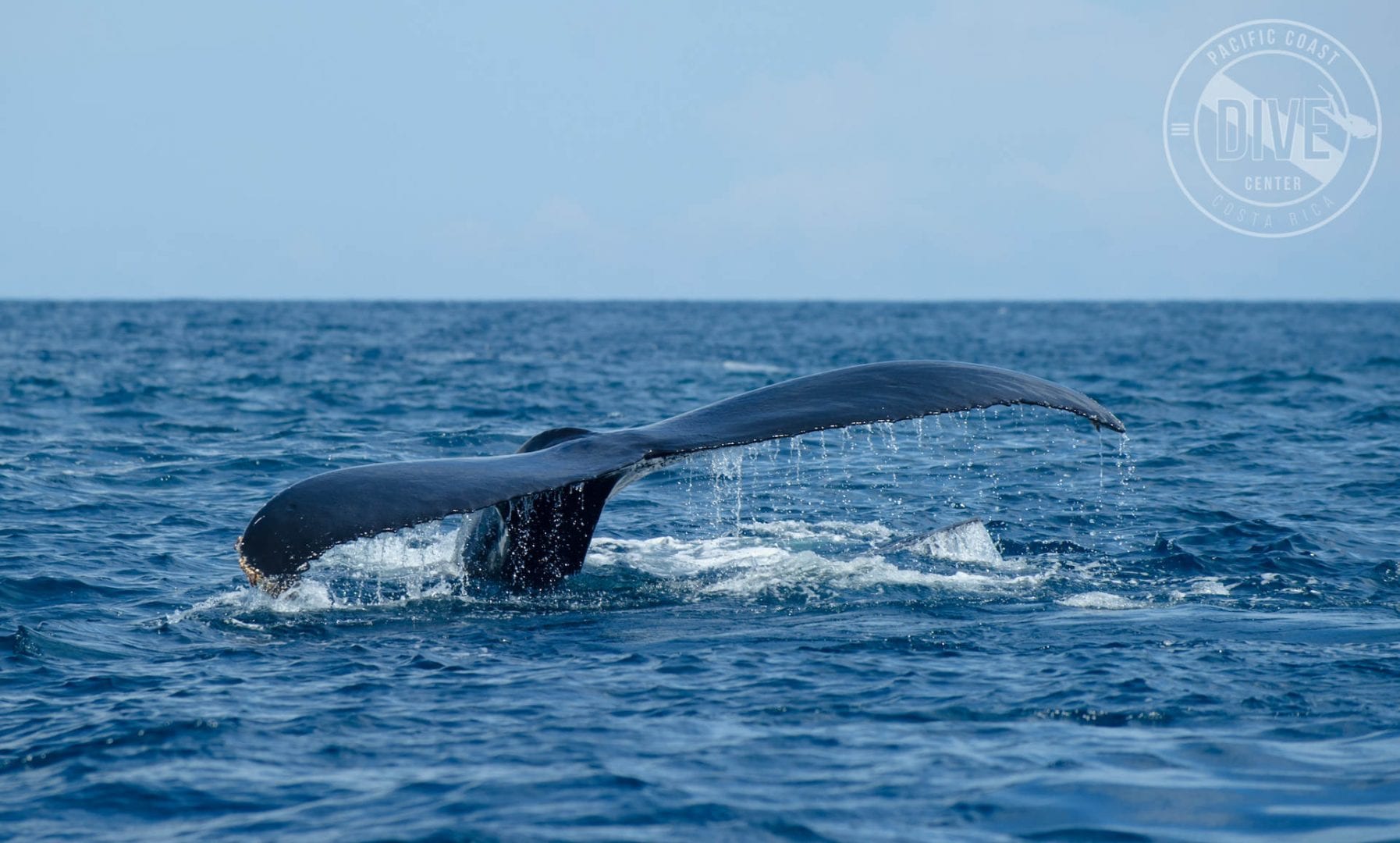
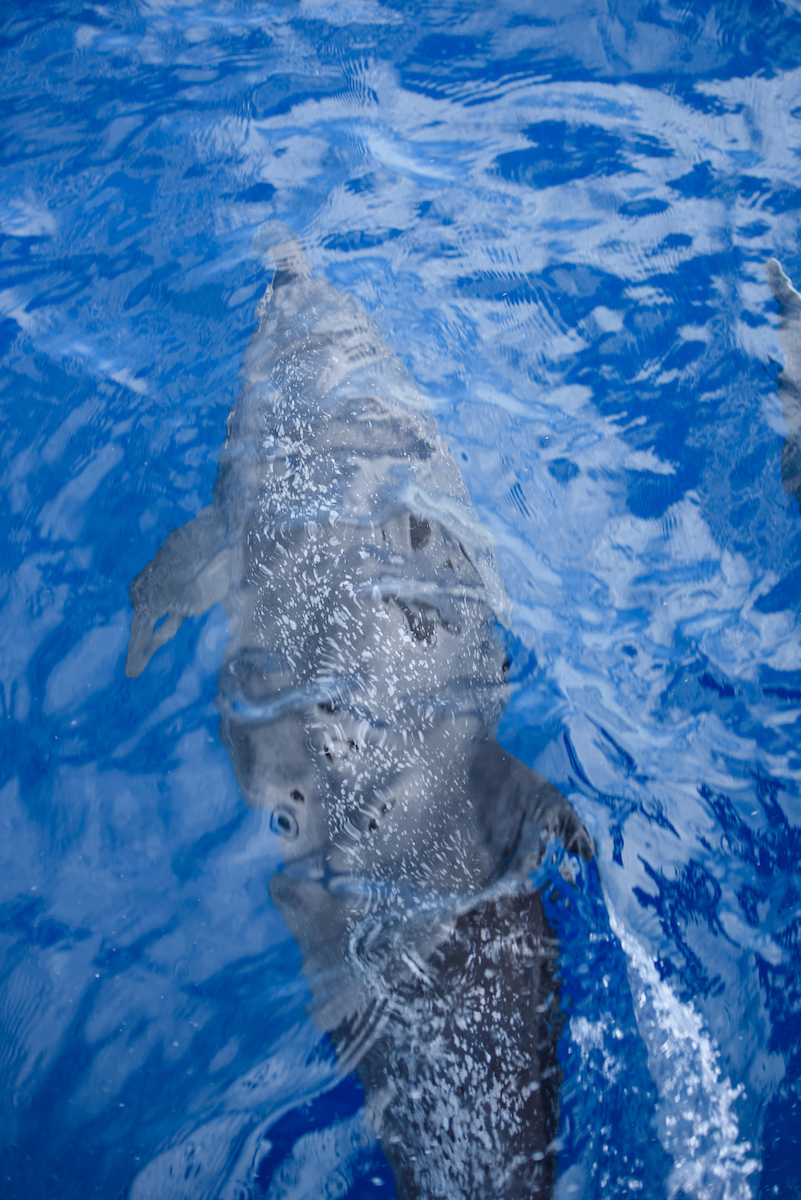
Dolphins and whales
Occasionally spotted during specific seasons.
Main Activities at Catalinas Islands
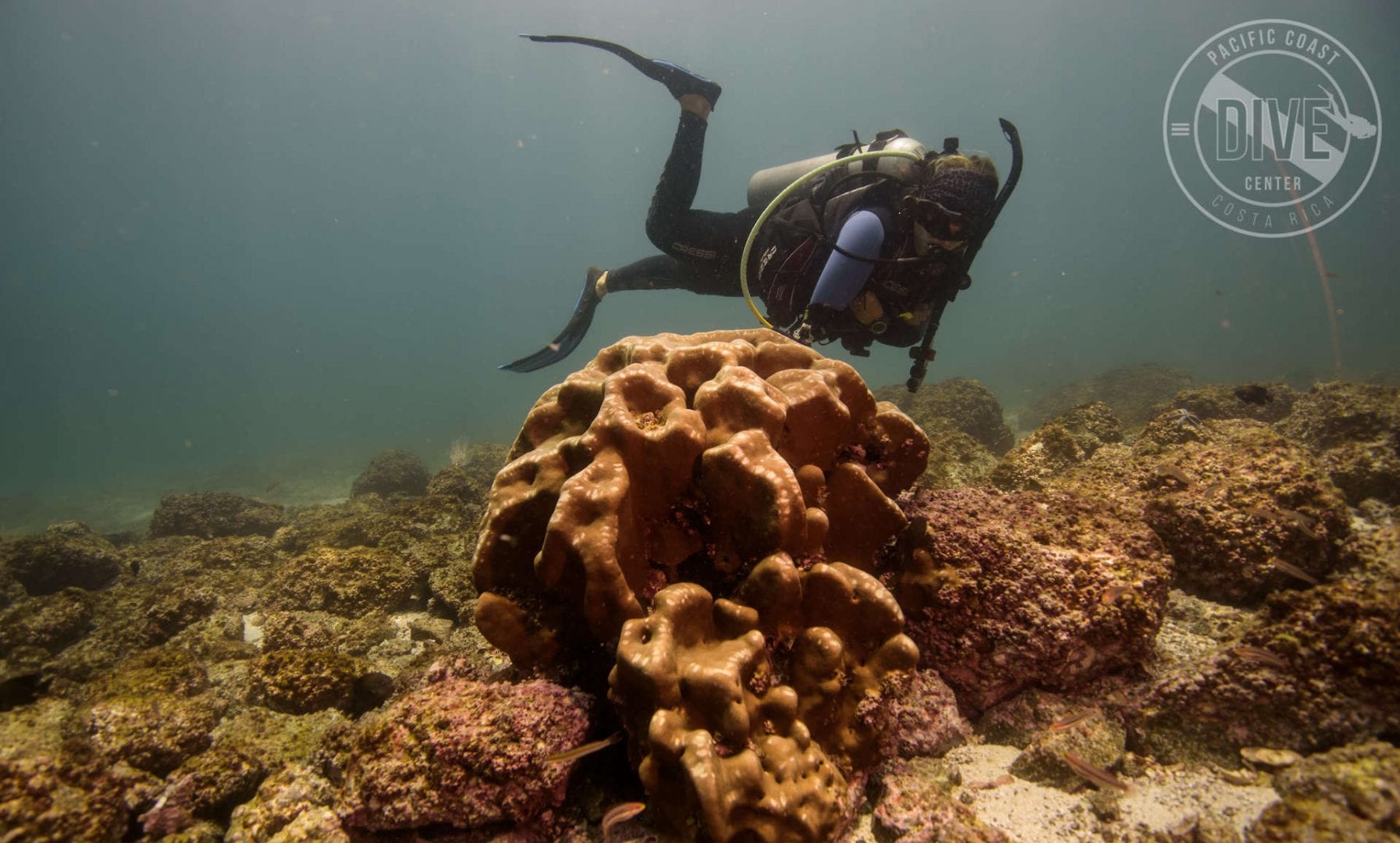
The primary activity at Catalinas Islands is scuba diving, though snorkeling is also very popular. These activities allow visitors to explore coral reefs and experience the vibrant marine life up close. Tours usually include boat transportation, diving or snorkeling equipment, and certified guides.
Catalina Islands offer a diversity of dive sites perfect for all levels of experience, these spots are surrounded by rich marine life, making them a must-see destination for diving enthusiasts. Among the numerous sites, six stand out for their unique characteristics and marine biodiversity.
El Clásico
The most famous dive site, also known as “Shark Alley” or “The Wall”. It has a maximum depth of 24 mts (80 ft) and it takes about 40 minutes to reach this point.
Its underwater terrain is composed of rock formations and coral reefs, it is ideal for observing large species such as giant manta rays, white tip sharks, schools and many species of fish.
Pailas
This spot is known for its spectacular underwater scenery, which has a maximum depth of 21 mts (70 ft) and takes about 40 minutes to reach the site.
Its underwater terrain has caves and crevices that harbor lobsters, moray eels, stingrays, white tips and many types of fish. This site, with its depth and currents, attracts experienced divers in search of thrills.
Sur Shallow
It is composed of a series of small rocks, with two channels between them. It is considered an advanced dive site because of its strong currents, it approaches a maximum depth of 18 mts (60 ft) and it takes about 40 minutes to reach the point.
It is an ideal place to spot schools of tropical fish, turtles and small reef sharks, which makes it an excellent spot for underwater photography.
Sombrero
Named for its hat-shaped rock formation. In addition, it stands out for two distinct dive sites, which are:
East to North: Shallow (20 mts/65 ft) and with a great variety of species.
West to North: A more technical environment, with greater depth (25 mts/80 ft) and rich in marine life.
It takes about 35 minutes to reach both points of Sombrero.
Cuatro Piedras
Named for its distinctive rock formations with a sandy bottom, it offers a unique diving experience. It has a maximum depth of 21 mts (70 ft) and takes about 35 minutes to reach.
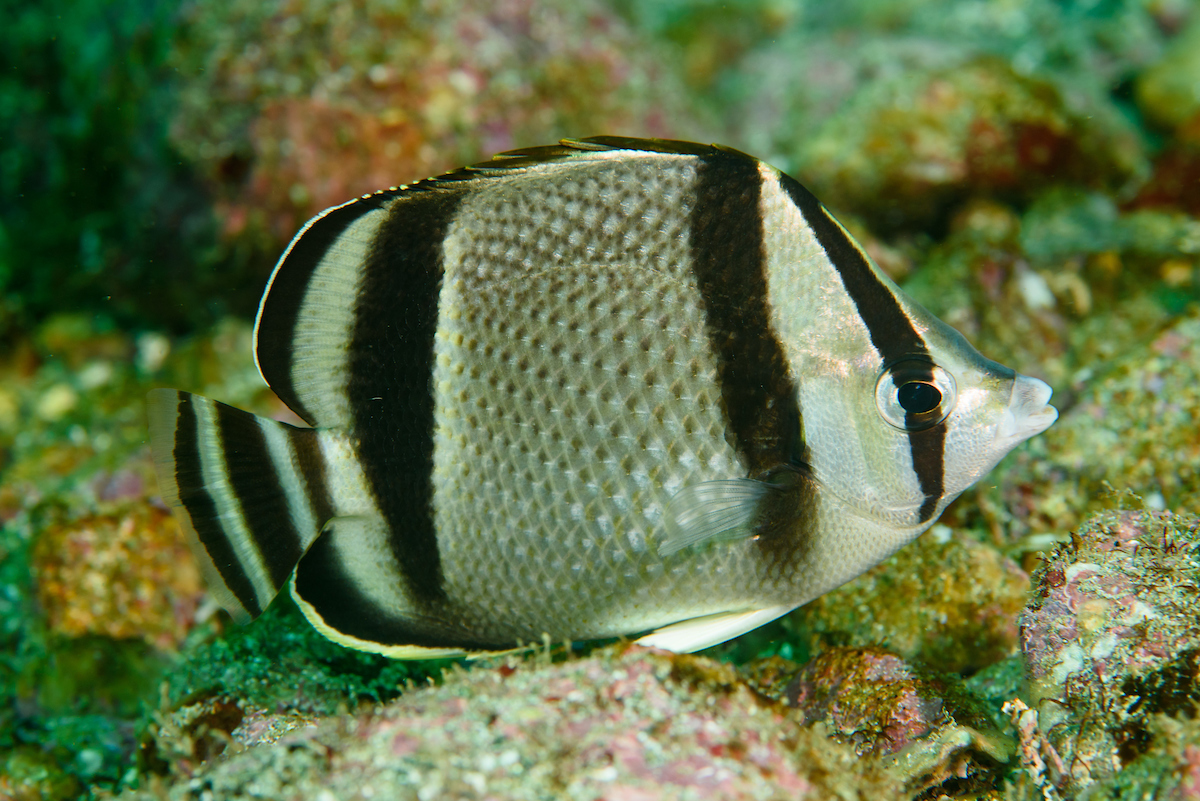
This site is a key spot to observe manta rays and abundant reef fish life, such as angelfish and butterfly fish. However, it is possible to dive only if there is no current at the site.
Elefante
It presents a rock formation that resembles the trunk of an elephant when viewed from north to south. It has a maximum depth of 23 meters (75 feet) and takes about 35 minutes to reach the site.
It is also known as “El Diente” (The Tooth); its underwater topography includes arches and tunnels that harbor lobsters, rays and reef sharks. Advanced divers enjoy the challenge of exploring these features.
These dive sites offer something for everyone, from beginners to experts can explore their waters. Whether you are looking to observe vibrant marine life or explore exciting underwater landscapes, the Catalina Islands guarantee unforgettable adventures.
Much of the information in this post was taken from the book “Costa Rica Blue – The underwater guide” by Avi Klapfer and Genna Marie Davis.
FAQ about Catalinas Island, Costa Rica
How can I get to Catalinas Islands?
The Catalinas Islands are a 40-minute boat ride from Playa Flamingo.
What temperature is the water at?
The Pacific Ocean is very unpredictable so conditions vary a lot from one season to another and even from one day to the next. To try to give you a more accurate answer we have created a section on our website where we detail the conditions of the last few days.
These islands are situated in the northern Pacific of Costa Rica, off the coast of Guanacaste, near Playa Flamingo.
How much does a boat trip to Catalinas cost?
Tour prices for diving or snorkeling range from $100 to $150 per person, depending on the services included.
What can you do at Catalinas Islands?
Scuba diving (main activity).
Snorkeling in shallow reefs.
Marine wildlife observation.
Plan Your Visit to Catalinas Islands
Discover the underwater magic of the Catalina Islands, famous for encounters with giant manta rays, reef sharks, and incredible marine biodiversity. Whether you are a certified diver or prefer a snorkeling experience, our team will guide you to the best spots in the archipelago for a safe, exciting, and unforgettable adventure.
Book a tour and ensure an unforgettable experience. These tours are designed for divers of all levels, from beginners to experts. In addition, our certified guides will provide you with safety and knowledge during the adventure.
Brumel Islands are located north of Bahía Potrero and are closer to the coast than the Catalina Islands, making them a more sheltered dive site with calmer conditions.
As it is a protected area known for its biodiversity, it is one of the most important diving sites in Guanacaste. On our expedition, you’ll be able to appreciate both its beauty and that of the archipelago itself.