Diving Safety Tips for Costa Rica’s Pacific Coast
Guide to a Safe and Successful Dive
-
Why Is Diving Safety Important in Costa Rica?
Costa Rica offers excellent diving conditions, but every dive site presents unique factors such as currents, depth changes, and weather conditions.
Proper planning and following local experts’ recommendations will help ensure a safe and enjoyable experience.
-
Plan Your Dive Before Entering the Water
A safe dive begins long before you board the boat. Planning is one of the most important tools for preventing incidents and ensuring a pleasant experience. Before each dive, remember to:
- Check the weather and sea conditions.
- Confirm the maximum dive depth.
- Know the entry and exit route.
- Listen carefully to the guides’ briefing.
- Review the emergency procedures.
The better you know the dive site, the more confident you’ll be underwater.

-
Check Your Equipment Before Every Dive
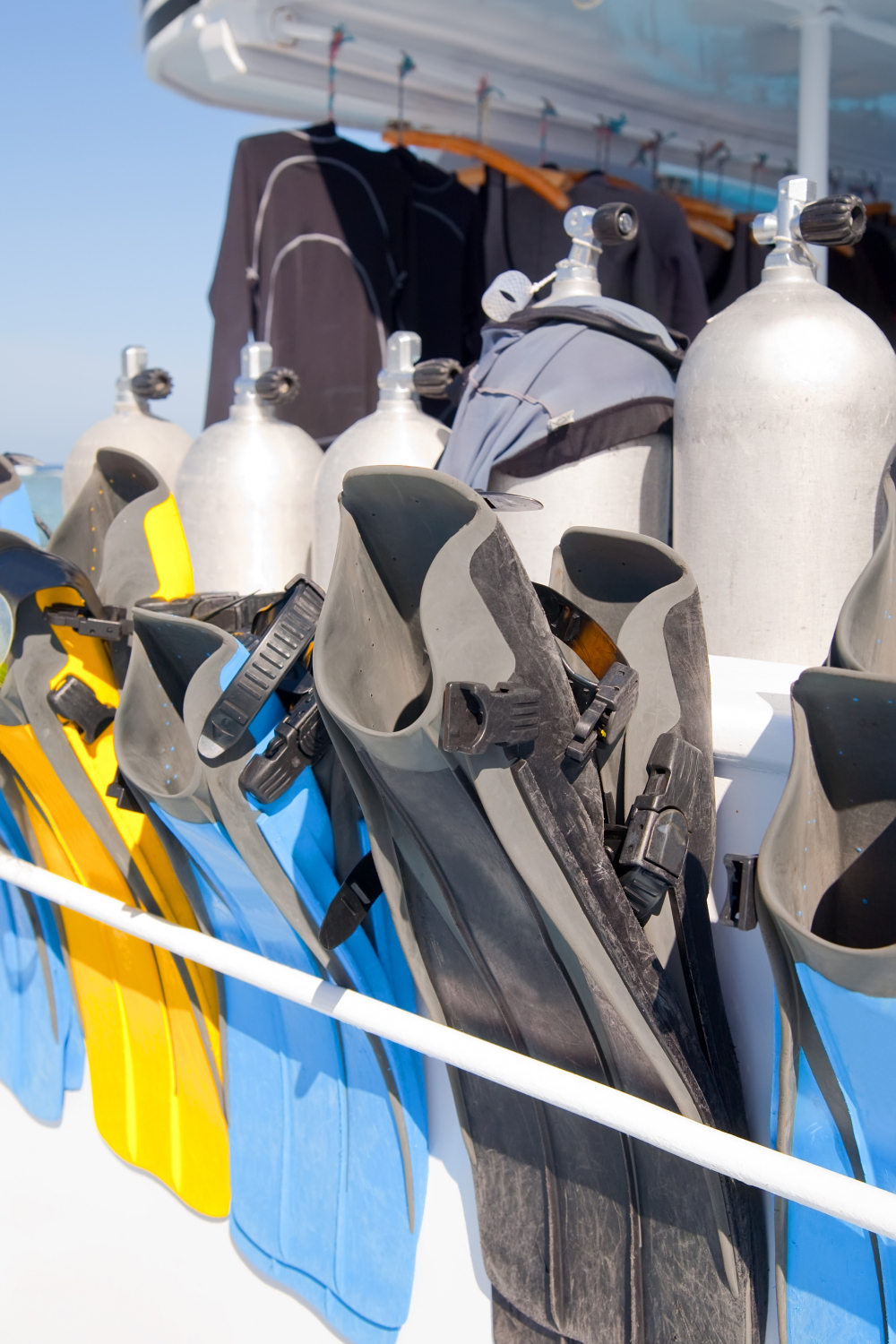
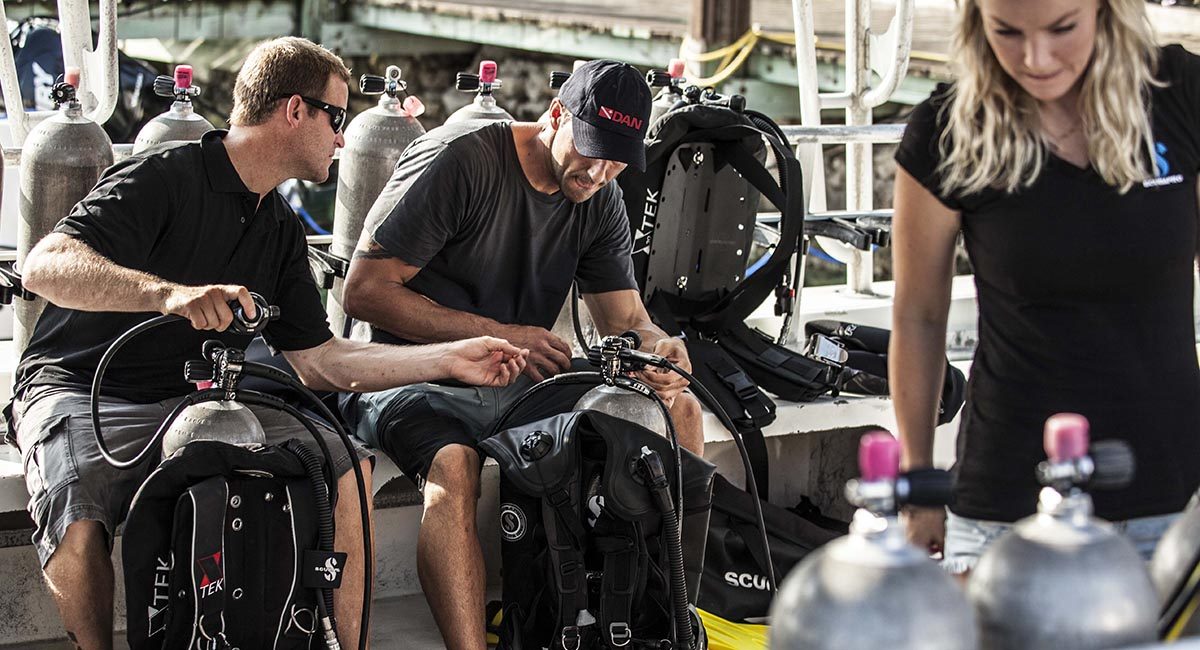
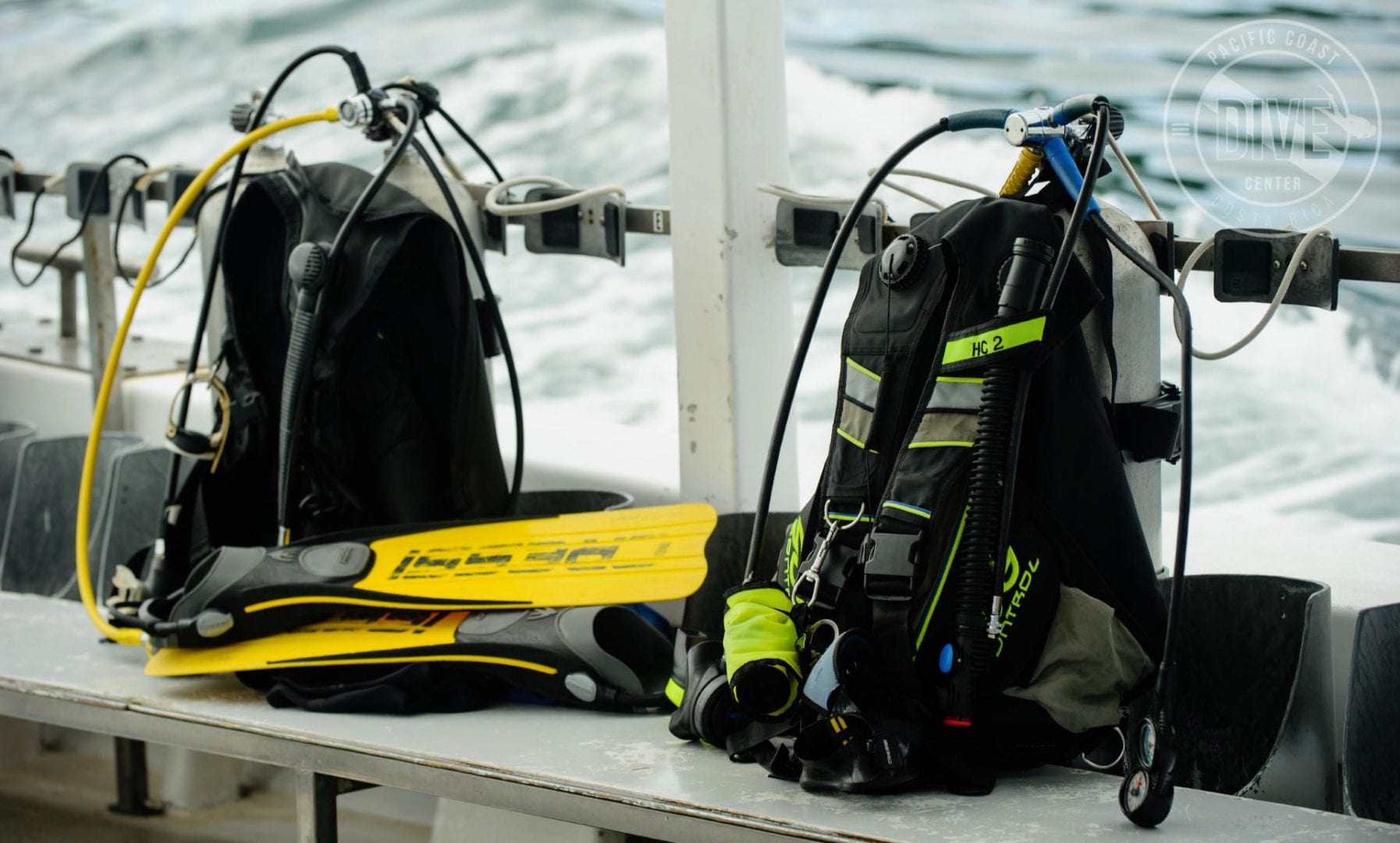
Your diving equipment is your primary safety tool. A quick check before entering the water can help you detect problems before they become an emergency. Always check:
- Regulator
- BCD (Buffer Vest)
- Mask
- Fins
- Dive computer
- Pressure gauge
- Weight system
Equipment in good working order significantly reduces risks during a dive.

-
Never Dive Alone: The Importance of the Dive Buddy
The buddy system is one of the cornerstones of safety in recreational diving. Your buddy can help you solve unexpected problems, share air in an emergency, and provide assistance if any situation arises underwater.
Before the dive:
- Agree on hand signals.
- Define the dive plan.
- Check each other’s equipment.
- Maintain visual contact throughout the dive.
-
Learn How to Handle Ocean Currents
Many areas of the Costa Rican Pacific, including sites near the Catalina Islands and the Bat Islands, can have moderate to strong currents. Understanding how to react to them is essential for safety; some recommendations are:
- Always follow the guide’s instructions.
- Avoid swimming against strong currents.
- Maintain good buoyancy.
- Conserve energy and stay calm.
Currents don’t necessarily pose a danger when you understand and manage them correctly.
-
Control your Air Consumption and Buoyancy
One of the most important skills for any diver is constantly monitoring available air and maintaining proper buoyancy. Good buoyancy helps to:
- Reduce physical exertion.
- Conserve air.
- Protect marine ecosystems.
- Maintain a better position in the water.
Check your pressure gauge frequently and never wait until you’re low on air to end a dive.

-
Respect Marine Life and Maintain a Safe Distance.
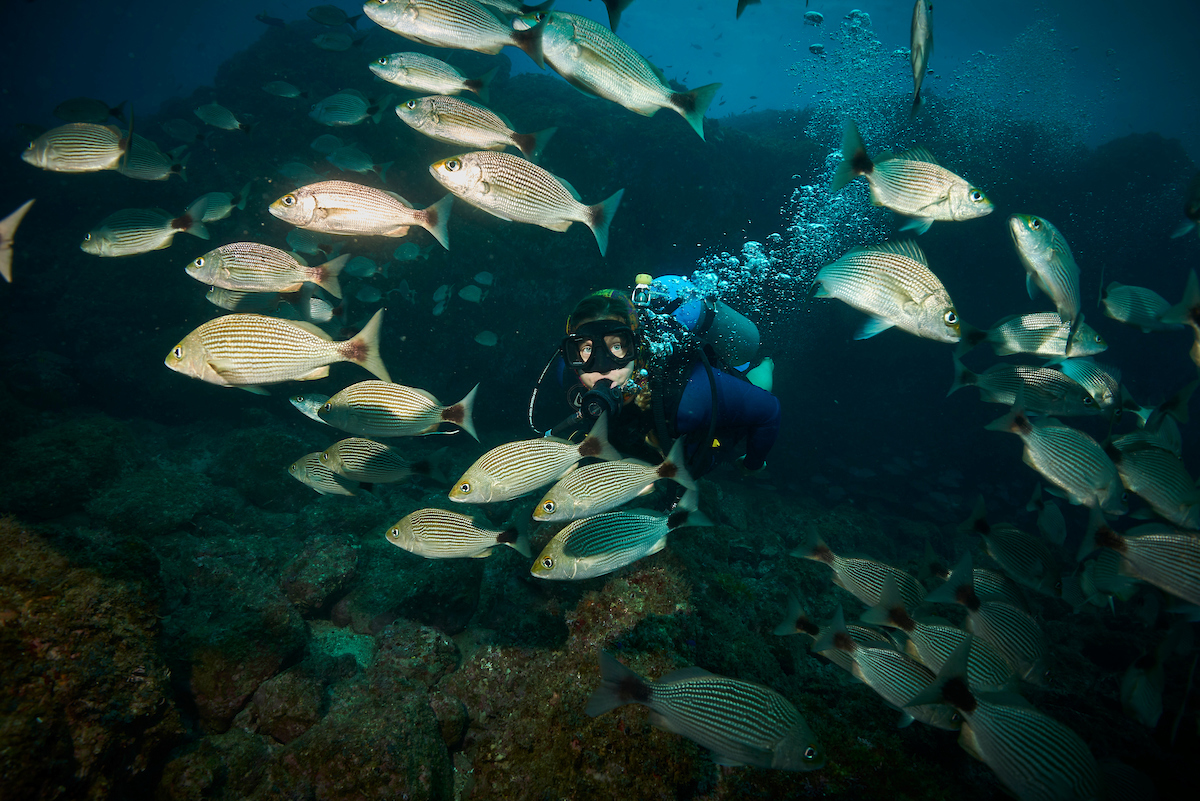
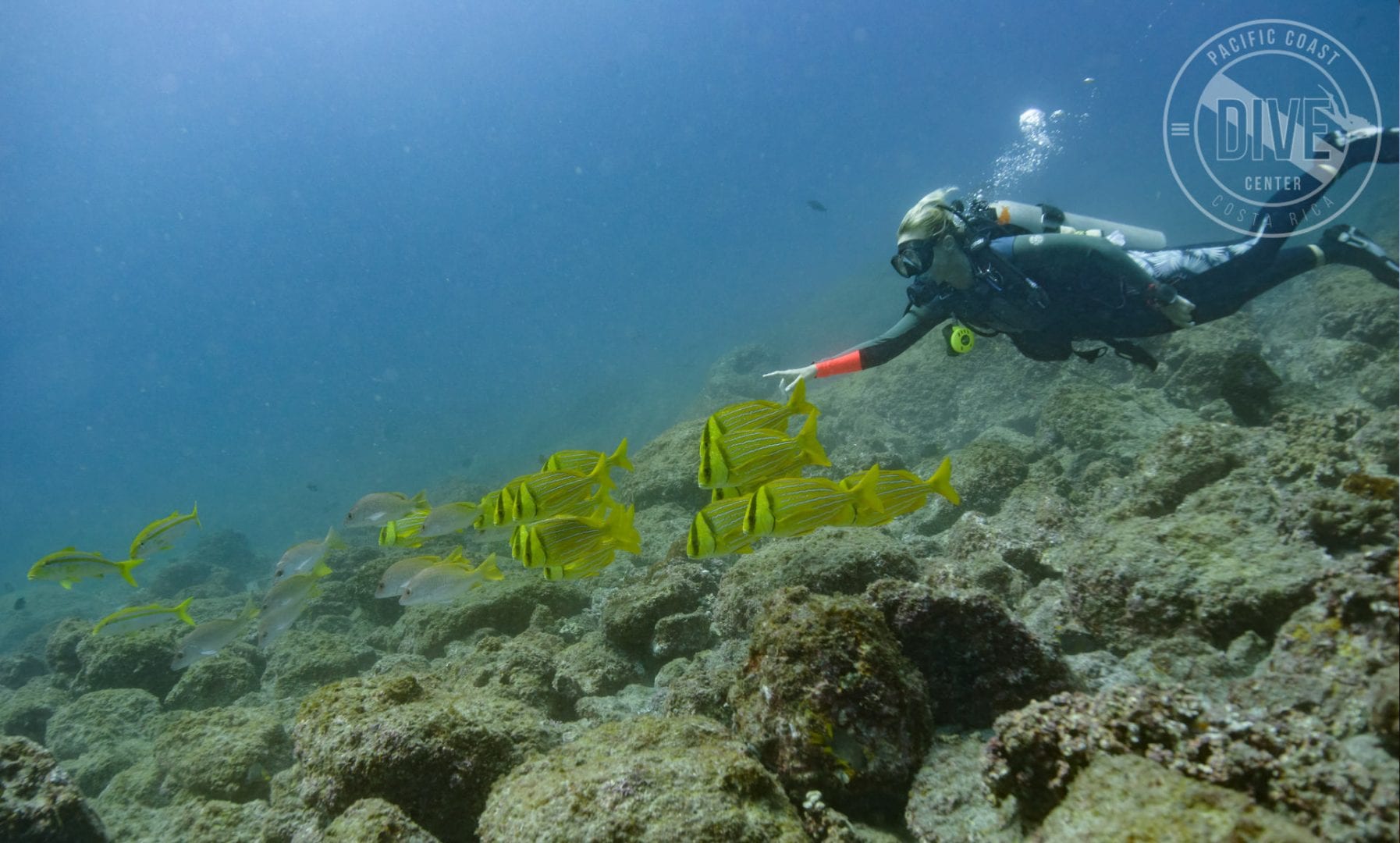
The Pacific Ocean off the coast of Costa Rica is home to a vast array of marine species. While many are fascinating, it’s important to respect their space and remember that the best photographs are those that don’t disturb the animals’ natural behavior. Some good practices include:
- Do not touch marine animals.
- Do not chase sharks, turtles, or rays.
- Avoid feeding wild animals.
- Maintain a safe distance when observing.
-
Avoid Flying Immediately After Diving
After a dive, your body needs time to eliminate accumulated nitrogen; therefore, proper flight planning is an essential part of dive safety. As a general rule:
- Wait at least 12 hours after a single dive.
- Wait 18 to 24 hours after multiple or repetitive dives.
-
Dive Within Your Training and Experience Level
Each certification course prepares divers for specific conditions and depths. Avoid dives you’re not ready for and consider continuing your training with advanced courses and specializations.
Experience is built gradually and should always be accompanied by proper training.
-
Warning Signs You Should Never Ignore
Listening to your body is just as important as checking your equipment. For this reason, stop diving and consult a professional if you experience:
- Dizziness.
- Difficulty breathing.
- Persistent ear pain.
- Extreme fatigue.
- Joint pain after diving.
Prevention is always the best safety tool.

FAQ About Diving Safety in Costa Rica
Is Costa Rica safe for beginner divers?
Yes, many dive sites and courses are suitable for beginners.
Are sharks dangerous to divers?
Most shark encounters are safe and are often highlights of the dive.
What certification is required?
Requirements vary depending on the dive site and conditions.
What should I do if I lose my buddy?
Follow standard training procedures and perform a safe ascent if necessary.
When is the best time to dive in Costa Rica?
Diving is available year-round, with seasonal variations in conditions and marine life.
Are currents dangerous?
With proper training and guidance, currents can be managed safely.
-
Safety is Key to Enjoying the Best Diving in Costa Rica
Each dive is an opportunity to explore one of the world’s most impressive marine ecosystems. By following these recommendations, you can enjoy the best dive sites in the Costa Rican Pacific with greater confidence, comfort, and safety.
Explore the Pacific with Certified Professionals!
Whether you’re new to diving or looking for new underwater adventures, having the support of experienced instructors and guides makes all the difference.
Book your next diving tour and discover the incredible waters of the Costa Rican Pacific safely and responsibly.
Start your next underwater adventure today!