PACIFIC COAST DIVE CENTER

Informative

To become a master scuba diver?

Becoming a Master Scuba Diver means reaching the pinnacle of recreational diving with PADI. It’s not just about collecting certifications; it’s about gaining real underwater experience, mastering a variety of specialties, and joining an elite group of divers.

Read more »

How to become an advanced diver?

Already taken your first steps as a certified diver and ready to take your experience to the next level? Advanced Open Water Diver is your gateway to new adventures, exciting challenges and greater confidence underwater.

Read more »

First aid and CPR for divers

Diving safety doesn’t end when you get out of the water, so knowing how to apply first aid and CPR techniques is essential for any diver, as these skills can make all the difference in emergency situations. We will explore the importance of CPR and first aid training for divers, what a first aid kit should include on board and some key tips to be prepared.

Read more »

Why a rescue diver course?

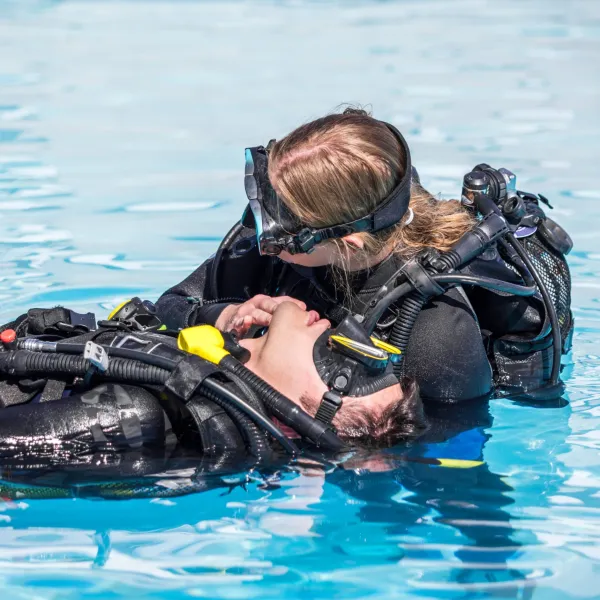
Becoming a rescue diver is one of the most challenging and rewarding experiences in the diving world. By taking a course like this you will learn how to prevent and manage problems in the water, how to take care of other divers and how to stay calm in critical situations; in this course you not only improve your technical skills, but also increase your confidence and responsibility as a diver.

Read more »

Advanced diving specialties

Advanced dive specialties allow you to explore new skills, environments and challenges that transform every dive into a unique adventure. Whether you want to dive deeper, learn to navigate underwater or master drift diving, there’s a specialty for you.

Read more »

Things you should not do after diving

Diving is an amazing experience, but once you get out of the water, it is crucial to follow certain precautions to avoid health problems and make the most of your next dive. Here are some things you should not do after diving.

Read more »

All about rays and manta rays

Stingrays and manta rays are fascinating marine creatures that, although they share certain similarities, present notable differences in their morphology, behavior and ecology. Below, we will explore their physical characteristics, the different species, their behavior, habitat, feeding, reproduction and the key differences between the two.

Read more »

The Papagayo winds

The Papagayo Winds are a unique meteorological phenomenon that primarily affects the Guanacaste region of Costa Rica during the dry season, from December to March. Closely tied to the trade winds, this phenomenon intensifies due to the interaction between high-pressure systems from North American winters and the mountainous geography of Central America. As these winds funnel toward the Pacific Ocean, they create specific conditions that significantly influence maritime activities such as diving and snorkeling.

Read more »

Catalinas Island, Costa Rica

Catalinas Islands are a group of volcanic islands located off the northern Pacific coast of Costa Rica in Guanacaste Province. This destination is globally recognized for its incredible marine biodiversity and is ideal for activities like diving and snorkeling. Visitors have the opportunity to encounter giant manta rays, reef sharks, sea turtles, and a vibrant variety of tropical fish.

Read more »

Best scuba diving in Costa Rica

Costa Rica is home to some of the world’s most breathtaking scuba diving destinations, offering a mix of exotic marine life, pristine waters, and varied dive conditions that appeal to divers of all levels. Whether you’re a beginner or an experienced diver, this country has a spot for you. In this post, we’ll explore the best scuba diving sites in Costa Rica, detailing how to get there, dive conditions, best seasons to visit, and why each site is worth exploring.

Read more »
Scroll to Top