How to Improve Your Air Consumption During a Dive?
10 Tips to Dive Longer and Smarter
Why Is Improving Your Air Consumption Important?
Improving air consumption doesn’t mean simply trying to breathe less: it means becoming a more efficient diver by improving buoyancy, reducing unnecessary effort and learning how to manage your breathing gas properly. Better gas management can help you make better use of your planned dive time while always respecting safety limits.
Improve Your Buoyancy Control
Buoyancy is one of the most important factors affecting air consumption. Constantly adjusting your BCD or struggling to maintain depth requires additional effort and can increase gas consumption.
Tips
Practice maintaining neutral buoyancy and making small, controlled adjustments rather than constantly adding or releasing air from your BCD.
If you are constantly adjusting your BCD, consider reviewing your weighting and practicing buoyancy skills with an instructor.
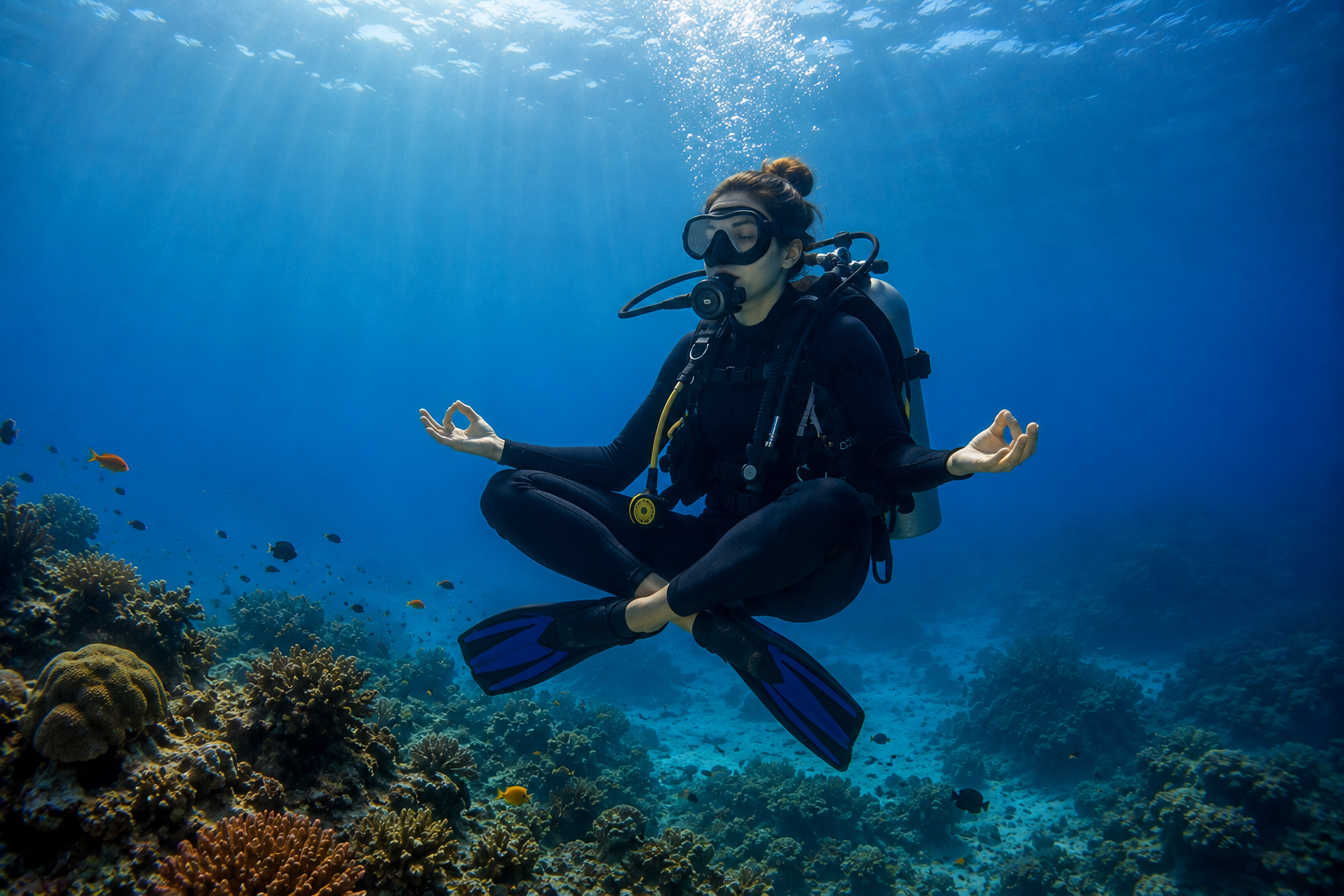
Breathe Slowly, Deeply and Consistently
A calm and controlled breathing pattern can help improve air consumption; rapid breathing, especially during physical effort or stressful situations, can cause you to use your breathing gas more quickly. Focus on breathing normally, comfortably and continuously.
Never hold your breath while scuba diving.
Stay Calm and Manage Stress Underwater
Stress and anxiety can increase your breathing rate and therefore increase gas consumption.
If something doesn’t feel right, stop, stabilize your buoyancy, breathe normally and communicate with your buddy or guide.
Confidence develops through experience, practice and proper training.
Avoid Unnecessary Swimming and Movements
Every unnecessary movement requires energy. Efficient divers use their fins and body position to move through the water with minimal effort.
Tips
Avoid excessive arm movement, powerful kicking and unnecessary changes in direction.
Good finning technique and horizontal trim can reduce drag and improve efficiency.
Use the Correct Amount of Weight
Carrying too much weight can make buoyancy control more difficult.
You may need to add more air to your BCD, which can increase drag and make swimming less efficient.
Proper weighting should take into account your equipment, exposure protection and diving environment.
Improve Your Trim and Maintain a Horizontal Position
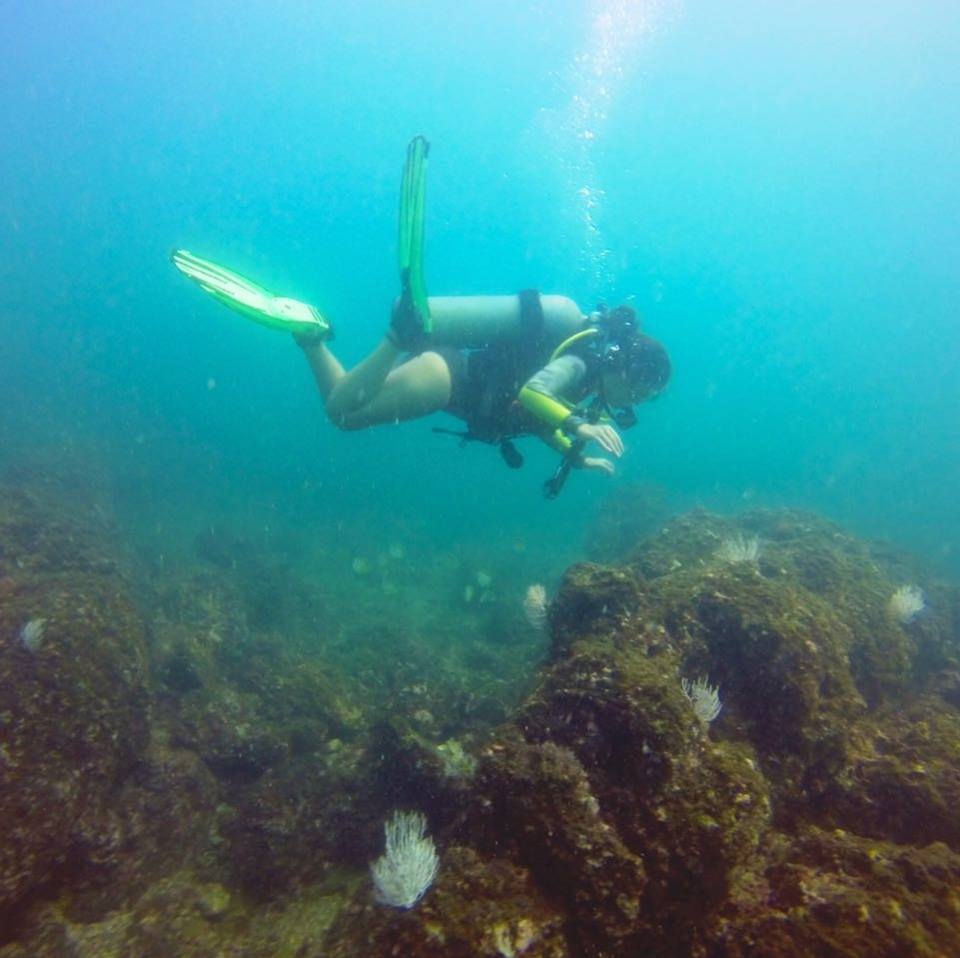
Good trim allows you to move through the water efficiently while reducing resistance. A balanced horizontal position means less effort and potentially lower gas consumption.
Keep your legs slightly elevated and avoid dragging equipment along the bottom.
Keep Your Equipment Streamlined
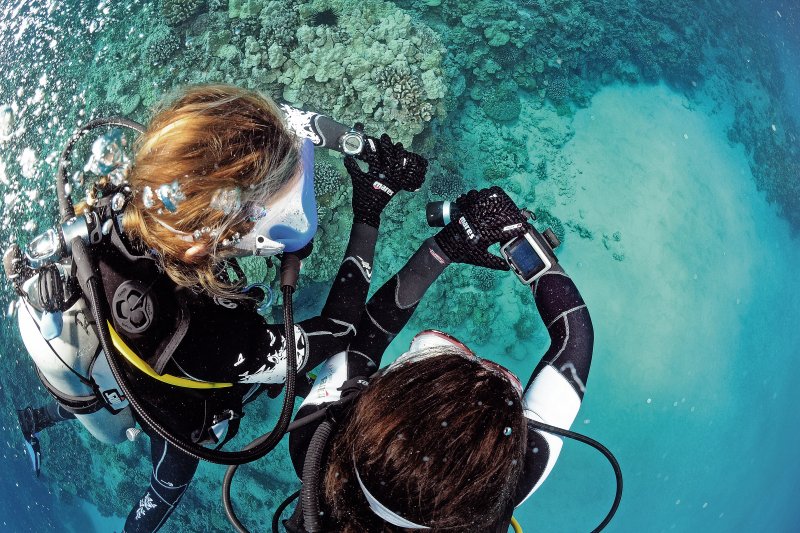
Loose hoses, gauges, cameras and accessories can create additional drag. Before entering the water:
Secure your hoses.
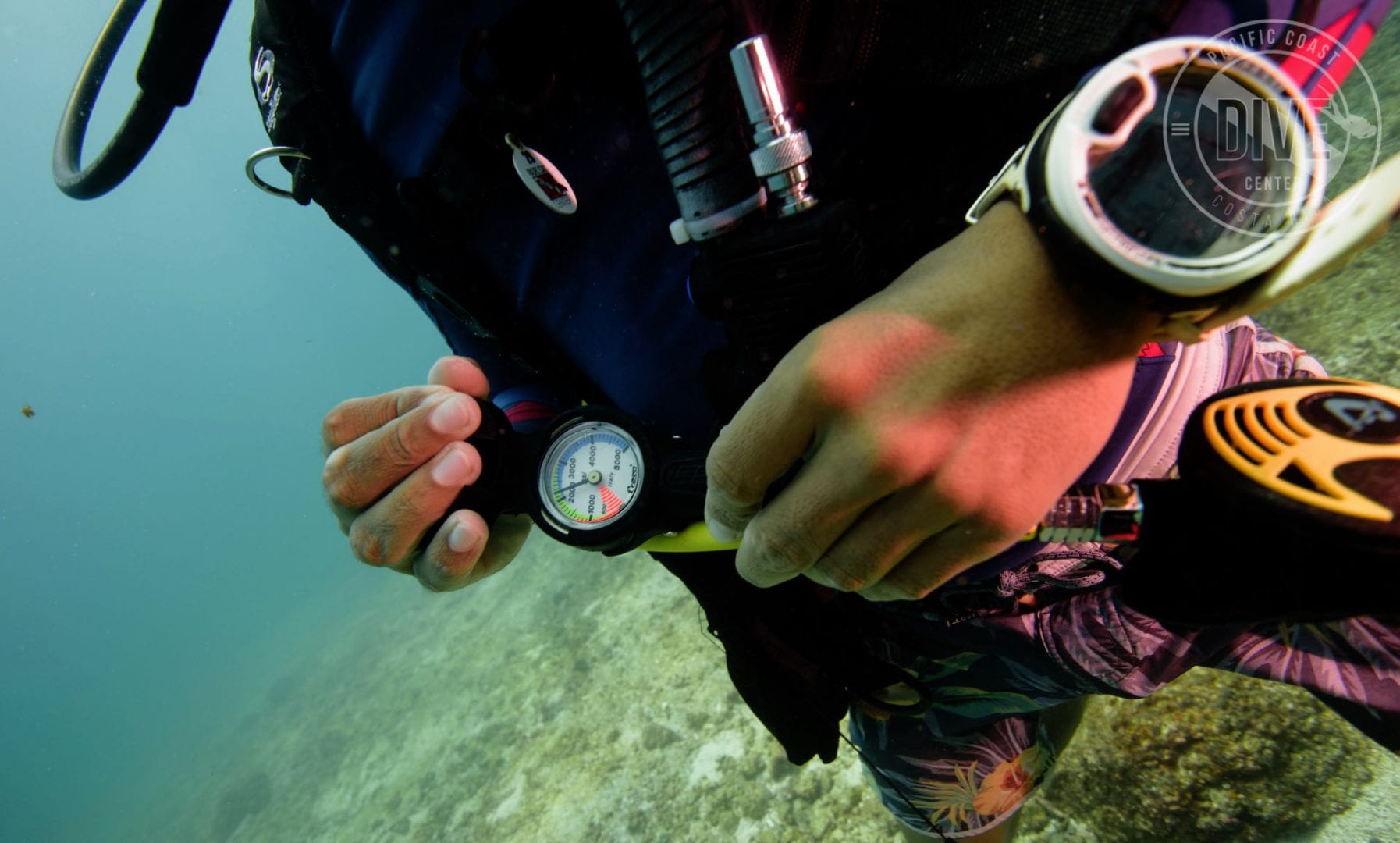
Attach your pressure gauge properly.
Remove unnecessary accessories.
Keep equipment close to your body.
A streamlined setup allows you to move through the water more efficiently.
Learn to Work With the Water Conditions
Currents can significantly affect air consumption. Swimming directly against a strong current requires much more effort. Listen carefully to your dive guide and understand the conditions before entering the water.
During appropriate drift dives, the current can actually help you move with less effort. Never fight a strong current unnecessarily. Follow your guide’s instructions and conserve both energy and breathing gas.
Monitor Your Depth
Depth has a direct effect on gas consumption. As depth increases, ambient pressure increases and breathing gas is consumed at a higher rate compared with the surface.
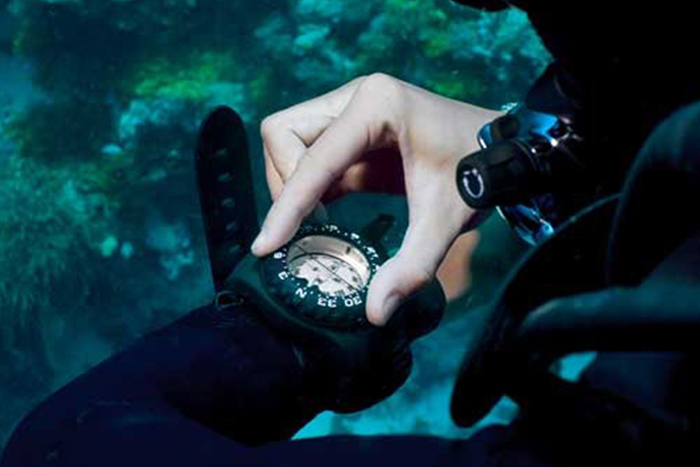
Stay within your planned depth and regularly monitor your dive computer and pressure gauge.
Learn Your Personal Air Consumption Rate
Every diver has a different breathing-gas consumption rate. Fitness, experience, depth, water temperature, current, equipment and stress can all influence it.
Instead of comparing yourself with other divers, learn your own consumption rate. The SAC (Surface Air Consumption) rate is one method used to estimate how much gas you consume under standardized conditions.
Understanding your consumption can help you plan future dives more effectively.
How Can You Measure Your Air Consumption?
Simply looking at your remaining tank pressure doesn’t tell the whole story; tracking your dives gives you a much better understanding of your personal consumption. Record information such as:
Starting tank pressure.
Final tank pressure.
Dive duration.
Average depth.
Water conditions.
Current.
Tank size.
Type of activity.
After several dives, you can compare your results and identify improvements.
What Factors Affect Scuba Air Consumption?
Several factors influence how quickly you use breathing gas
Breathing
Rapid breathing increases gas use.
Depth
Greater depth means higher ambient pressure and increased gas consumption relative to the surface.
Weighting and Buoyancy
Excess weight can increase effort and drag.
Physical Effort
Swimming against currents or making unnecessary movements increases gas consumption.
Stress
Anxiety can increase breathing rate.
Equipment Configuration
A streamlined setup reduces drag and effort.
Common Mistakes That Increase Air Consumption
Avoid:
Excessive arm movement.
Carrying too much weight.
Constant BCD adjustments.
Poor trim.
Fighting currents unnecessarily.
Diving deeper than planned.
Holding your breath to “save air.”
Ignoring small equipment leaks.
Even small leaks can waste gas and may indicate equipment that requires servicing.
How Can Beginner Divers Improve Their Air Consumption?
You don’t need to be an experienced diver to start improving.
Focus on practicing:
Neutral buoyancy.
Relaxed breathing.
Efficient finning.
Proper trim.
Correct BCD use.
Regular pressure monitoring.
If you haven’t been diving for a while, a Scuba Refresher or session with an instructor can help rebuild confidence and improve your skills.
Frequently Asked Questions About Scuba Air Consumption
Why am I using so much air when scuba diving?
Several factors can contribute, including stress, poor buoyancy, excess weighting, physical effort, currents and rapid breathing.
How can I use less air while scuba diving?
Focus on relaxed breathing, good buoyancy, proper trim, efficient finning and a streamlined equipment setup.
Is it normal to use more air than my dive buddy?
Yes. Every diver has a different consumption rate. The important thing is understanding your own gas needs.
Does depth affect air consumption?
Yes. Gas is consumed more rapidly as depth increases because ambient pressure increases.
Does buoyancy affect air consumption?
Yes. Poor buoyancy can increase effort and require frequent BCD adjustments, which can increase gas consumption.
How can beginners improve their air consumption?
Practice buoyancy, breathing, trim and efficient finning while gaining experience and receiving feedback from qualified instructors.
Should I try to breathe less to save air?
No. Never hold your breath or deliberately restrict your breathing. Focus instead on relaxed, continuous and efficient breathing.
Better Air Consumption Comes From Better Diving Skills
Improving your air consumption takes practice; with every dive, you can improve your buoyancy, breathing, trim, equipment configuration and movement underwater. Instead of focusing only on making your tank last longer, focus on becoming a more relaxed, efficient and confident diver.
Ready to Improve Your Diving Skills?
The best way to improve your air consumption is to keep practicing and developing your diving skills with professional guidance.
Explore Pacific Coast Dive Center’s scuba diving courses and take your buoyancy, confidence and diving techniques to the next level.