Responsible Diving
How to Protect Marine Life and Our Oceans
-
What Is Responsible Diving?
Responsible diving means observing and enjoying marine life while respecting its natural behavior, habitat and environment.
It is not only about avoiding contact with coral. It also means maintaining good buoyancy, keeping a respectful distance from marine animals, securing your equipment, reducing waste and choosing dive operators that care about marine conservation.
Simply put, it means leaving the ocean as we found it, or even helping to leave it a little better.
-
Maintain Good Buoyancy and Stay Off the Bottom

One of the most effective ways to protect marine life while diving is to master buoyancy control.
Good buoyancy helps divers stay away from the bottom and reduces the risk of accidentally hitting coral, disturbing sediment or damaging fragile marine organisms.
Good body position and controlled fin movements also help prevent accidental contact with the underwater environment.
-
How can you improve your buoyancy?
- Maintain neutral buoyancy.
- Avoid resting on coral or rocks.
- Keep a safe distance from the bottom.
- Use slow and controlled fin movements.
- Adjust your weighting and BCD properly.
- Practice a horizontal body position or good trim.
Buoyancy is not only a skill that improves comfort and air consumption. It is also one of the most important tools a diver can use to protect marine ecosystems.
-
Look, Don't Touch Marine Life
Encountering a sea turtle, ray, shark or moray eel can be one of the most memorable moments of a dive. However, the best way to interact with marine animals is to allow them to continue behaving naturally.
Never touch, chase, ride or manipulate marine animals just to get a closer look or a better photograph; getting too close can stress animals and alter their natural behavior. Even actions that seem harmless can have consequences for wildlife and the ecosystem around them; a responsible diver does not need to touch an animal to have an unforgettable encounter.
Remember the golden rule: Look, observe and photograph, but don’t touch.
-
Never Feed Marine Animals
Feeding fish may seem like a fun way to attract them, especially when trying to take underwater photographs; however, feeding wildlife can change natural behaviors and disrupt relationships within the ecosystem. Marine animals should obtain their food naturally and continue to play their normal role in the environment; during a responsible dive:
- Do not feed fish.
- Do not use food to attract wildlife.
- Do not chase animals for photographs.
- Let marine life approach you naturally.
The best interaction with marine life is one that does not interfere with it.
Take Photos, but Leave the Ocean Alone
Underwater photography is a wonderful way to preserve memories and share the beauty of the ocean with others. However, getting the perfect photograph should never involve touching coral, moving an animal or changing its natural behavior.
Maintain good buoyancy while using your camera and avoid getting too close to wildlife. And remember something even more important: marine animals, coral, shells and other ocean treasures are not souvenirs.
Never remove living organisms or natural objects from the ocean. Even something that appears insignificant can be part of the food chain or provide shelter for other species.
Keep Your Diving Equipment Under Control
Keep your gear under control
Scuba gear can also impact the environment if not properly secured; dangling accessories can strike or drag along the seabed. Before entering the water, check that everything is properly positioned:
- Secure your gauges and regulators.
- Keep accessories attached to your BCD.
- Prevent hoses from dragging.
- Check your weighting.
- Familiarize yourself with the size and position of your gear.
- Take extra care if using a large camera.
A diver who knows their gear well has greater control over their movements and can significantly reduce accidental contact with the environment.
Reduce Your Impact Before Entering the Water
Ocean conservation does not begin when we jump off the boat. It also starts with the choices we make before a dive.
Reducing single-use plastics, carrying reusable bottles and paying attention to the products we use around the water are simple ways to reduce waste and potentially harmful substances entering marine environments.
When using sunscreen, learn about its ingredients and consider options designed to minimize impacts on marine ecosystems. Sun-protective clothing can also reduce the amount of sunscreen you need to apply.
-
Help Remove Ocean Waste When It Is Safe
Divers have a unique perspective because they can see what is happening beneath the surface. When conditions are appropriate and your guide allows it, safely removing marine debris encountered during a dive can be a practical way to contribute to ocean conservation; bottles, plastic bags, fishing lines and other debris can become hazards for marine animals.
You can also participate in organized beach, reef or underwater cleanups; these activities not only remove waste but also raise awareness about the impact of pollution on the ocean. Safety always comes first, never risk yourself to remove debris; if an object is heavy, entangled or potentially dangerous, report it to your guide or dive operator.
-
Choose a Dive Operator That Cares About the Ocean
Choosing the right dive center is also part of responsible tourism; before booking a dive, research the operator and ask about its environmental practices. A responsible dive operator may:
- Educate guests about local marine life.
- Promote good buoyancy and responsible diving.
- Avoid feeding or handling marine animals.
- Follow local environmental regulations.
- Participate in conservation activities.
- Reduce waste during operations.
- Support environmental projects or local communities.
Diving tourism can create benefits that go beyond the visitor experience. In Costa Rica, community-based diving initiatives have connected diving with marine conservation, coral monitoring, education and opportunities related to ecotourism.
Respect Local Rules and Protected Areas
Every dive destination has its own characteristics and regulations. Local rules may determine where boats can operate, where divers can enter the water, which species require special protection or which activities are allowed.
Following these regulations helps protect marine ecosystems and supports the long-term sustainability of tourism. Before your dive, pay attention to your guide’s briefing and ask about any special rules for the site you are visiting.
Learning about a place before exploring it is also a way of respecting it.
Turn Your Passion for Diving Into Conservation
Divers can do much more than simply observe; our experience underwater can also help us learn, document environmental changes, participate in cleanups and support marine conservation projects.
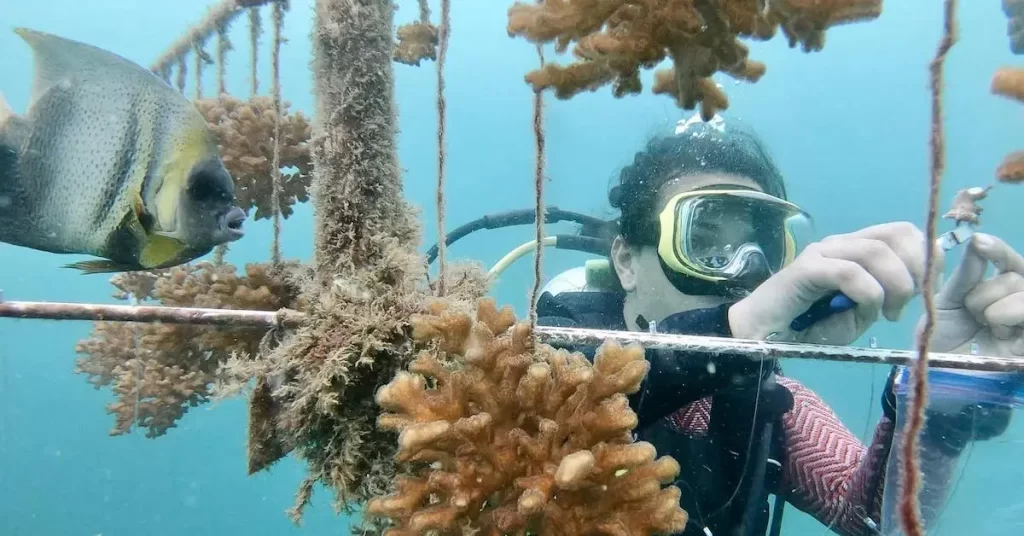
Organizations around the world involve divers in species monitoring, reef restoration, citizen science and environmental education.
This allows divers to move beyond being visitors and become active participants in understanding and protecting the ocean.
Why Is Responsible Diving So Important?
The ocean it is a complex ecosystem that supports countless species and human communities. Coral reefs and other marine habitats provide shelter, food and important ecological benefits, while responsible tourism can create economic opportunities and strengthen connections between communities and the ocean.
Every dive can be an opportunity to learn something new while minimizing our impact. When we protect the places we enjoy, we help make sure future generations can experience them too.
-
10 Simple Rules for Becoming a More Responsible Diver

If you want to remember the essentials before your next dive, keep these ten rules in mind:
- Maintain good buoyancy.
- Never touch coral.
- Observe wildlife without chasing it.
- Never feed marine animals.
- Take photographs without interfering with wildlife.
- Keep your equipment secured.
- Reduce waste and participate in cleanups when safe.
- Choose environmentally conscious products and reduce your impact before entering the water.
- Choose dive operators that respect the environment.
- Learn, share and participate in conservation initiatives.
-
Dive, Explore and Help Protect the Ocean
Being a responsible diver does not mean enjoying your dive any less. In fact, it means learning to observe the ocean more carefully and understanding that we are visitors in an ecosystem full of life.
The next time you dive in Costa Rica’s Pacific waters, remember that every movement matters. Good buoyancy, respectful distance and choosing not to touch may seem like small actions, but together they can help protect the places we love to explore.
Explore Costa Rica Responsibly
Discover the incredible marine life of Costa Rica’s Pacific coast with a team that values safety, respect for the ocean and a thoughtful diving experience. Explore our scuba diving and snorkeling tours and experience the ocean up close without leaving a negative impact.
Book your next adventure with Pacific Coast Dive Center!